Uncategorized

How To Dispose Of Old Gas

Dispose of Old Gas Without Fines or Hazards

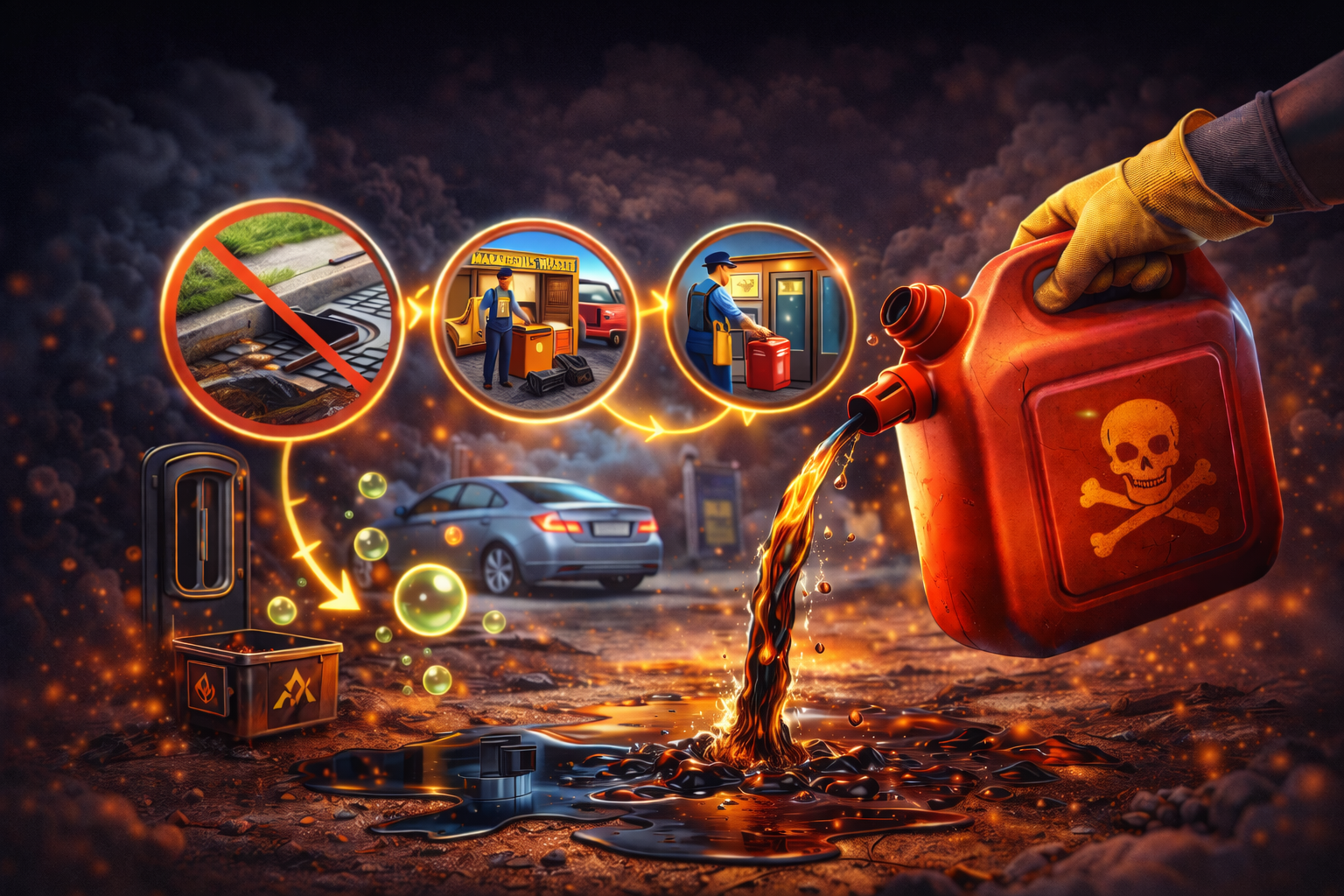
Old gasoline can become hazardous over time, making proper disposal essential for safety and environmental protection. Instead of pouring it down drains or onto the ground, it should be handled through approved hazardous waste facilities. Using certified containers and following local regulations helps prevent legal issues and environmental damage. Learning safe disposal methods ensures responsible handling of old fuel from vehicles, generators, or equipment.
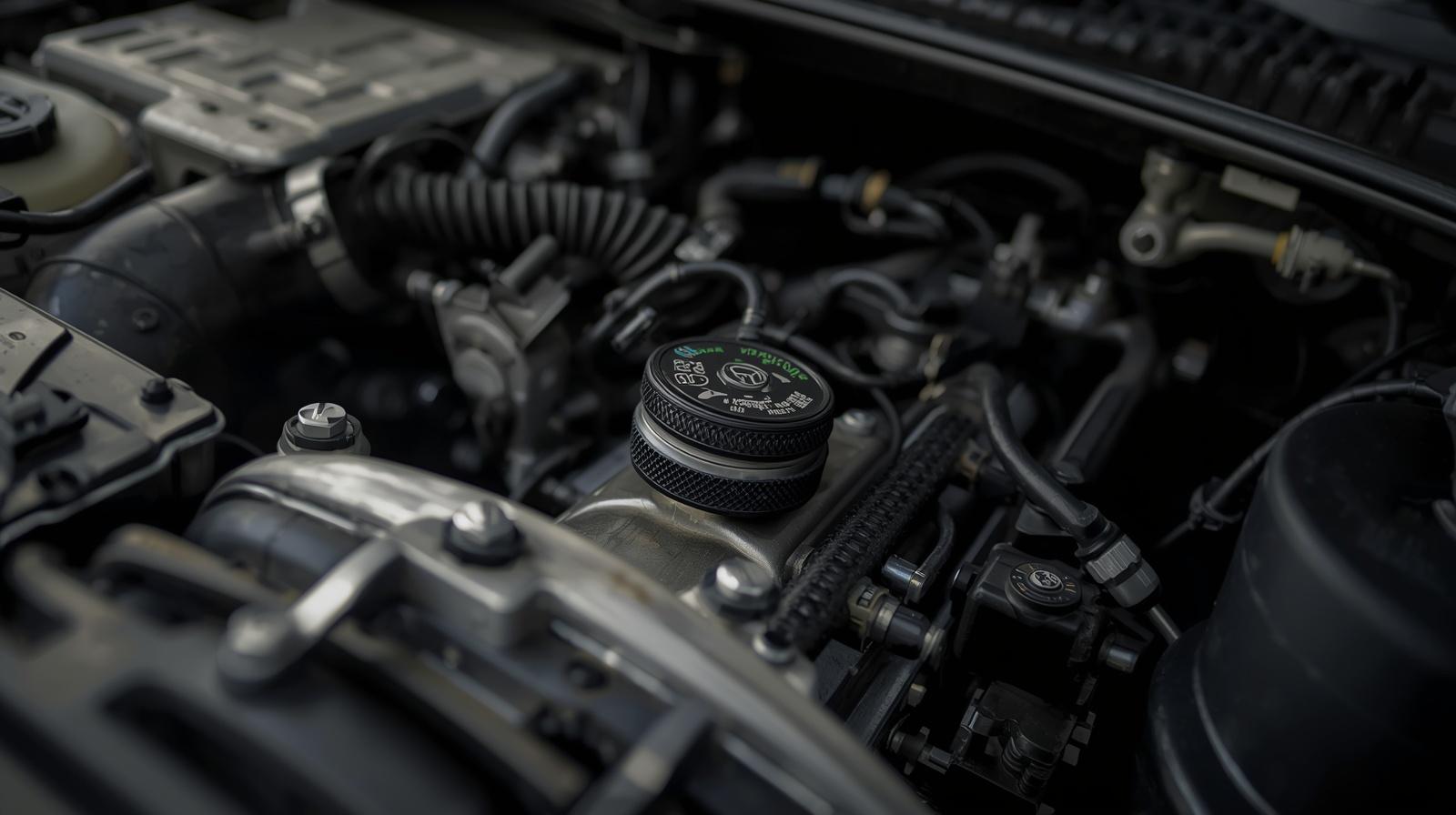

Read More »
Signs of a Failing Fuel Pump

Failing Fuel Pump? Signs Drivers Ignore

A failing fuel pump can cause significant performance issues in your vehicle, including engine sputtering, difficulty starting, and sudden loss of power. It’s essential to recognize the signs early to prevent further damage and costly repairs. If you notice any hesitation, jerky acceleration, or strange noises, it’s time to inspect the fuel pump before it leads to a complete breakdown.

Read More »
putting Diesel in a Gasoline Car

Diesel in a Gasoline Car: Risks, Symptoms, and How to Fix It Fast

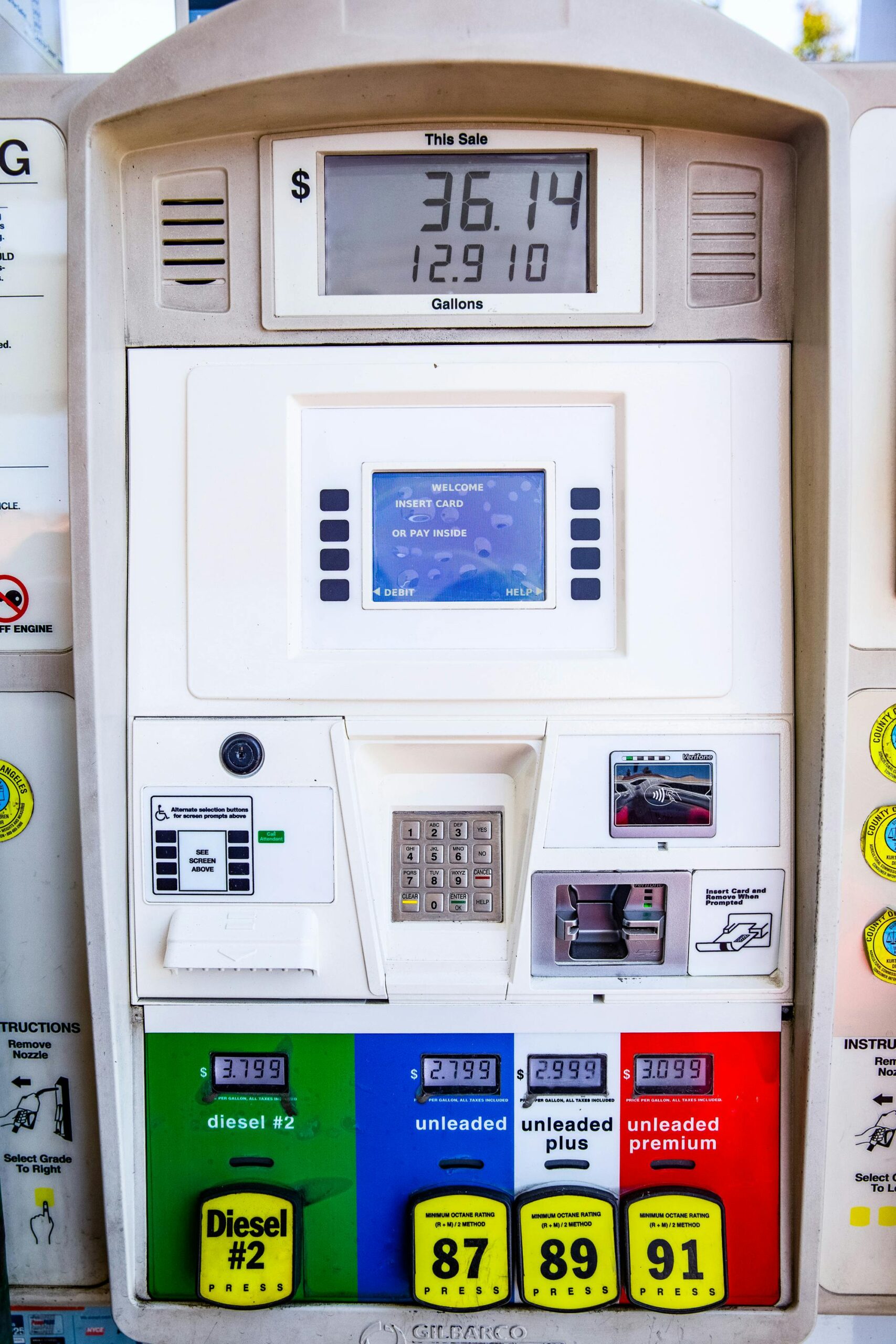
Accidentally putting diesel in a gasoline car can cause serious engine problems, including misfires, stalling, and sensor damage. Diesel doesn’t ignite like gasoline, which can foul spark plugs, clog filters, and overheat the catalytic converter. Immediate action, such as stopping the car and calling a professional, is crucial to prevent long-term damage. Proper draining, flushing, and inspection restore engine safety and performance. Knowing the signs and steps to take can save you costly repairs and downtime.

Read More »
DEF in Diesel Vehicles Explained: When It Became Mandatory & Why It Matters

DEF in Diesel Vehicles Explained: When It Became Mandatory & Why It Matters

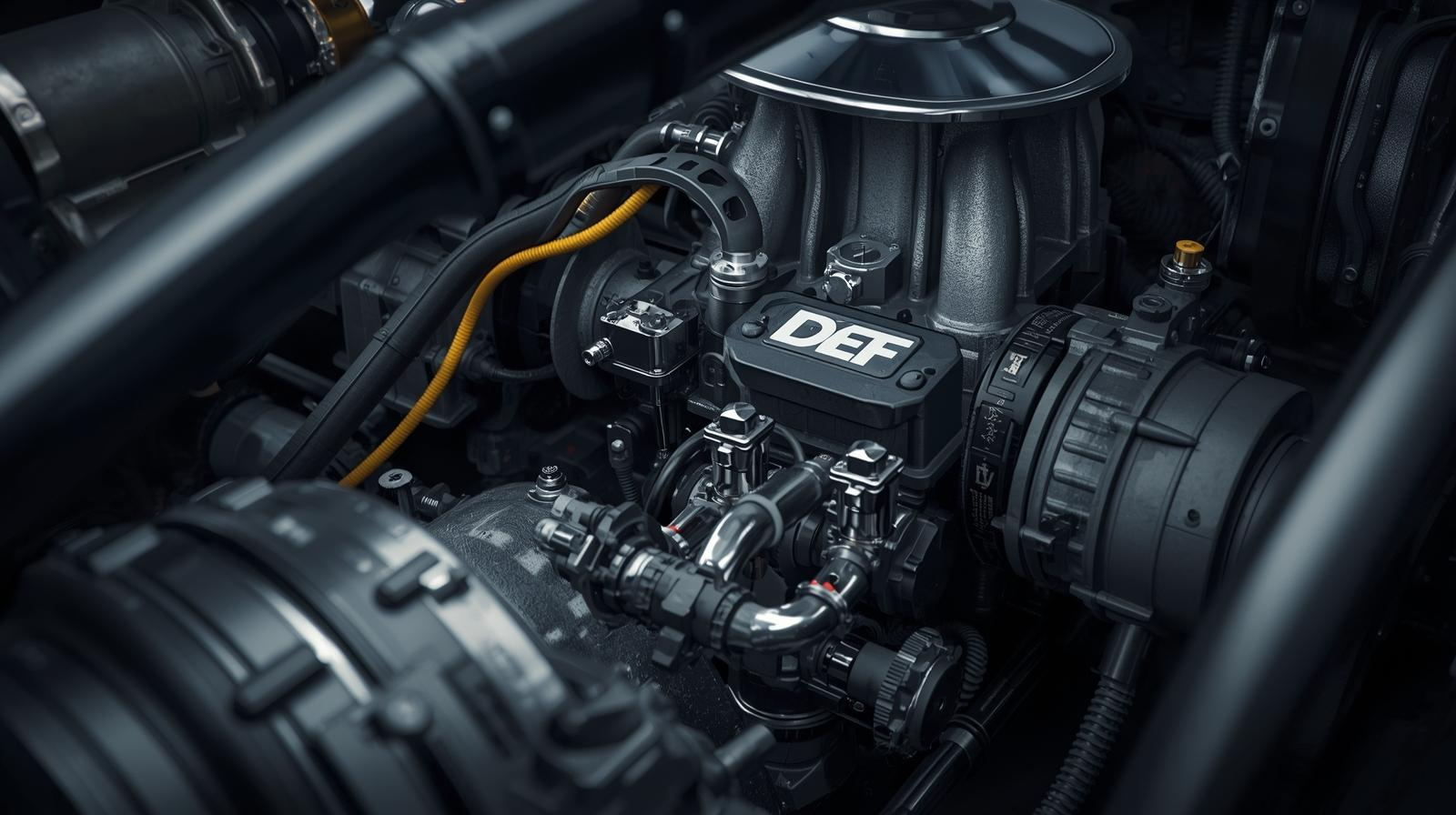
Diesel Exhaust Fluid (DEF) became mandatory in modern diesel vehicles to reduce harmful nitrogen oxide emissions.
It works with Selective Catalytic Reduction (SCR) systems to help trucks, pickups, and off-road equipment meet EPA standards.
Heavy-duty trucks started using DEF in the 2010 model year, with light-duty pickups following shortly after.
Proper DEF use ensures engine efficiency, compliance with regulations, and avoids costly penalties.
Pre-2007 diesel vehicles generally do not require DEF, marking a clear shift in emission control standards.

Read More »
Diesel #2 Fuel Explained: Differences Between #1 Diesel, Kerosene & Premium Blends

Diesel #2 Fuel Explained: Differences Between #1 Diesel, Kerosene & Premium Blends

Diesel #2 is the standard fuel used in most diesel engines due to its balance of power, efficiency, and affordability.
It delivers higher energy output than #1 diesel while remaining widely available for daily operations.
In colder climates, it is often blended with #1 diesel to prevent gelling and maintain smooth performance.
The guide also explains how kerosene and premium diesel differ in lubrication and engine protection.
Understanding these differences helps drivers and fleet owners choose the right fuel for every condition.

Read More »