Is Regular Gas Unleaded? Understanding Fuel Grades
Regular gas is typically unleaded fuel designed for most modern vehicles. Understanding fuel grades helps drivers choose the right gasoline for performance, efficiency, and engine protection.
Is Regular Gas Unleaded? Understanding Fuel Grades
Many drivers wonder whether regular gas is the same as unleaded gasoline. In most cases, regular gas refers to unleaded fuel with a lower octane rating, usually 87. Modern vehicles are designed to run on unleaded gasoline to reduce engine damage and harmful emissions. Premium and mid-grade fuels differ mainly in octane levels, not in whether they contain lead. Choosing the correct fuel grade ensures better engine performance and long-term reliability. Understanding fuel grades also helps avoid unnecessary fuel expenses.
Is regular gas unleaded? Yes, regular gas is typically unleaded gasoline.
What does unleaded mean? It contains no added lead compounds.
What differentiates fuel grades? Octane rating levels determine performance.
Do most cars require premium fuel? No, most vehicles run efficiently on regular unleaded.
Why is unleaded fuel important? It protects engines and reduces harmful emissions.
Table of Contents
A lot of confusion surrounds whether unleaded gas and regular gas are the same, but the answer is actually quite simple once you look at the pumps most stations sell. In the U.S., regular unleaded gas usually has an octane rating of 87, while midgrade and premium options carry higher numbers.
Drivers often ask is unleaded gas regular or is regular gas unleaded, and the truth is that labels can vary by brand and even regional labels on pumps, including unleaded 88 or E15. This guide explains unleaded vs regular naming, how octane ratings appear on pump stickers, and how fuel should match your vehicle needs, making it clear for anyone who wants to understand the differences and have a reliable reference in case of need.
Is Regular Gas Unleaded? Here’s the Answer
A common naming question that drivers often ask is is unleaded regular gas or is regular gas unleaded, and the answer for most consumer cars is yes. On a typical pump, regular unleaded gas is usually 87 octane, midgrade is 89, and premium 91 or higher, with brands using different words like regular, unleaded, or super to describe chemically similar fuel.
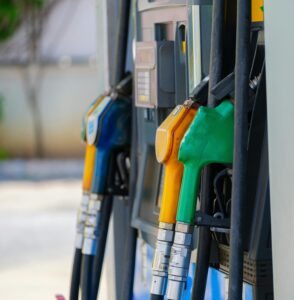
Pump stickers and octane numbers, often highlighted with yellow labels, help avoid misfuelling by clearly comparing unleaded vs regular and showing the regular option as the lowest octane sold while unleaded indicates the absence of lead. Car manuals recommend following the posted octane to protect performance, warranties, and engine health, and this guide makes the octane choice and pricing clear for vehicles as designed.
All Gasoline Unleaded? The Truth About Fuel
In the United States, almost all gas for road vehicles is unleaded, and saying unleaded is almost correct for regular unleaded gas. For decades, leaded gasoline was phased out for health and emissions reasons, yet people still ask is gasoline unleaded because the term can get stuck in marketing jargons and pump labels. History explains the unleaded vs regular evolution, how language persists on stations and brand signage, and that today nearly every engine in road vehicles uses unleaded. In contrast, aviation piston aircraft, specialty engines, and vintage engines still rely on leaded Avgas or non-road fuels, so unleaded gas same as regular applies only to road gasoline, not aviation. While regular unleaded gas is standard for cars, aviation continues to use leaded fuel and its replacements in a mature, but small market segment.
What Is Unleaded Gas? A Simple Guide to Fuel
Many drivers often ask about the meaning of unleaded or what is unleaded gasoline, and the answer lies in the history of unleaded gas. Gasoline without lead additives, specifically tetraethyl lead, became unleaded gasoline, which enabled catalytic converters to reduce emissions and produce cleaner exhaust. Regulators gradually started requiring the availability of unleaded fuel as leaded fuel was phased out, driven by health research showing lead emissions caused serious harms.
Today, for road vehicles, unleaded is the default, with station and region labeling that varies and reflects grades, not chemistry, guiding fuel quality, volatility, and posted octane. Despite this, the word unleaded stayed on pumps for marketing, sustains questions, and keeps labels alive, which is why drivers still ask is regular gasoline unleaded, even though modern cars fully rely on unleaded fuel, marking the transition from leaded to unleaded.
Unleaded Fuel Explained: What You Should Know
A frequent question among drivers is which gas is unleaded, and the answer is that in the United States, almost all road fuels sold for conventional vehicles are unleaded, including regular 87, midgrade 89, and premium 91 or higher. Understanding unleaded vs regular separates the lowest octane from higher grades while showing that regular unleaded gas is indeed unleaded gas, with yellow octane labels showing the minimum octane value for trust and clarity. Names may vary slightly by brand, but the key is that regular unleaded gas is engineered for most models and vehicles, while premium unleaded is reserved for specific engines that require additional knock resistance.
Drivers should always follow the manufacturer’s guidance, as stated in the manual or fuel door, to ensure the correct fuel is used. Most owners will find that regular unleaded gas meets their vehicle’s needs precisely, while higher octane is only needed if recommended. This approach includes understanding how sold fuels are rated gasoline, why premium is reserved, and how unleaded gas is regular for nearly every modern car, giving confidence to those asking about fuel choice.
Is 87 Unleaded Gas
For drivers wondering if regular 87 gas is unleaded, the answer is a resounding yes. Major brands like Shell sell regular gasoline that is unleaded, with Shell labels clearly indicating the entry grade and octane, typically between 85 and 87 depending on state rules. Understanding unleaded vs regular comes down to the octane number and wording on labels, which serve as a key guide for consumers. Top Tier certification at Shell stations and other Top Tier retailers ensures fuel quality, detergency standards, and added deposit control, keeping intake valves and injectors cleaner while meeting octane grades recommended for most vehicles.
For drivers asking is regular unleaded enough, using 87 octane at certified stations is generally recommended, offering a balance between performance, cost, and cleanliness. This approach allows consumers to use 87 safely without unnecessarily paying for premium octane, while still meeting the uniform standards of unleaded road fuel, giving confidence that the fuel sold is consistent across brands and offers added benefits for engine longevity.
Fuel Grades Explained: Premium, Regular, Unleaded
When drivers are asking is unleaded gas the same as regular, the practical answer is yes—for most vehicles, regular unleaded gas is what you should use unless the manual specifies premium. Understanding premium vs regular vs unleaded compares the octane levels: regular is usually 87, midgrade near 89, and premium starts at 91, with all road gasoline grades today unleaded, meaning they do not add lead. The octane rating, often visible on yellow pump stickers, resists knocking in high compression engines, while using premium in a vehicle designed for regular unleaded gas rarely improves performance or economy, but following guidance in the vehicle manual ensures durability, protects vehicle components, avoids audible knock events, and maintains optimal emissions.
For most drivers, choosing 87 for a vehicle that clearly states otherwise keeps fuel costs balanced without compromising engine health. Unleaded vs regular describes both the naming and the octane function, showing that while higher octane can be necessary for some cars, regular unleaded is safe, efficient, and standard for the majority of road vehicles, giving peace of mind while fueling.
Is Premium Gas Really Unleaded? Fuel Facts
When drivers wonder is premium gas unleaded, the answer is yes—premium is simply a higher octane unleaded fuel, usually 91 to 93, designed to resist knocking in engines that need it. All consumer gasoline grades, including premium unleaded, describe the same road fuel family: the difference lies in octane levels and which vehicle requires or recommends it. For cars that don’t need premium, using premium rarely changes performance or efficiency, but for those that do, consistently following the vehicle’s guidance ensures engine longevity and optimal operation.
Unleaded remains the standard across all consumer gasoline grades, whether regular, midgrade, or premium, so understanding octane requirements rather than the “premium” label is key to fueling correctly.
Unleaded vs Premium Gas: Key Differences Explained
Understanding unleaded regular vs premium unleaded is easier when you focus on octane numbers, engine needs, and manufacturer guidance—both are unleaded gasoline, but premium has higher octane, while regular meets the baseline octane for most cars. Choosing correctly helps resist knocking, ensures optimal performance, and avoids extra costs when higher octane isn’t needed.
Aspect
Regular Unleaded
Premium Unleaded
Definition
Unleaded gasoline with baseline octane, usually 87
Unleaded gasoline with higher octane numbers, usually 91-93
Purpose
Suits most modern engines, designed for octane 87
Helps resist knocking in high compression or turbo engines under load
When to Use
Owner manual prescribes regular fuel
Only use when owner manual requires higher octane
Performance
Standard engines, optimal efficiency, possible knock if misused
Engines calibrated for higher octane, delivers intended performance, little benefit if used in regular engines
Cost/Benefit
Extra cost avoided, minimal risk
Extra cost justified only for engines needing higher octane
Recommendation
Follow octane recommendation, Top Tier retailers preferred
Choose as prescribed by owner manual, best detergent content
Need Reliable Jet Fuel Delivery For Your Operations?
If knowing where fuel is stored in a plane made you think about supply reliability, we can help. Get consistent jet fuel delivery with strong quality control for aviation operations and ground support needs.
The term super unleaded gas is mostly an appellation used by some brands to indicate a premium grade of unleaded fuel, usually with octane 91-93, and in a few markets, even 94. Despite the flashy names like super or ultimate, the difference from premium unleaded is largely marketing, as the yellow sticker number shows the critical specification: octane rating. For most drivers using regular unleaded gas, there’s no need to choose super unless the owners’ manual specifies engines designed for higher compression or requiring premium to avoid knock, protect components, and maintain intended performance. Energy content and emissions remain unchanged, so skipping super unleaded carries no penalty in normal road fuels, and following the exact instructions printed in the manual ensures safety and performance without extra cost.
Unleaded Gas in a Regular Car: Is It Safe?
For most regular cars and modern road vehicles, the common question—does unleaded gas mean regular—has a straightforward answer: yes. Regular unleaded gas is the standard fuel designed for standard engines, typically with an octane rating of 87 in most markets, and the yellow sticker on the pump reflects this octane rating specification. While higher octane grades are required only when engines are designed for them, using lower octane than posted can cause knocking, reduced power, and potential long-term mechanical harm, so it’s best to match the grade to the owner manual. Understanding the subtle grade naming distinction—unleaded vs regular—helps drivers make informed choices, ensuring drivability, protecting the engine, and minimizing emissions over time, while choosing a higher octane than required is usually harmless but rarely delivers tangible benefits.
Does Unleaded Gas Type Matter for Your Car
When it comes to unleaded gas for your car, the answer is yes, absolutely—most vehicles are designed to use regular unleaded gas safely. The octane grade matters only in how it interacts with the engine’s octane controls to provide resistance to knock; using higher octane than the manual specifies does not add energy, while using lower than required can trigger knock control, reduce efficiency, and potentially lead to long-term harm. Understanding this subtle relationship between octane grade, engine design, and knock prevention helps drivers choose the right fuel type without unnecessary expense, keeping the car running optimally.
Why Most Cars Require Unleaded Gasoline
Most cars today are designed to use unleaded gasoline, and this isn’t just about convenience—it’s essential for protecting engine hardware, catalytic converters, and maintaining emissions standards. Manufacturers and regulators have forced a switch from leaded fuel to unleaded fuel, with standardized designs in modern cars ensuring that drivers can see unleaded warnings on fuel caps, filler doors, and inside manuals, helping prevent rare misfuelling. This baseline recommendation of regular unleaded gas keeps engines protected, avoids damage to catalysts and oxygen sensors, prevents voiding warranties, and contributes to improved air quality and public health. The history of leaded fuel reminds us why switching to unleaded has become universal for road cars, and consistent reminders in manuals, fuel doors, and warnings emphasize the function and importance of regular fuel unleaded today.
Why Do We Still Call Gas Unleaded?
When people ask if regular gas is the same as unleaded, the simple answer is yes: today’s consumer gasoline is unleaded, meaning it lacks lead in its chemical composition, and the term unleaded has become familiar to drivers even though it persisted from the transition away from leaded fuel decades ago. At pumps, on caps, and through marketing campaigns, retailers maintain clarity by using yellow octane labels with names and numbers, pairing the legacy term with modern standards, helping drivers avoid incompatible products like aviation fuel or off-road blends, while ensuring universal use for road vehicles, reduces errors, and protects engine hardware.
Why Unleaded 88 Is the Budget-Friendly Gas
For drivers who wonder whether unleaded gas is the same as regular gas, the answer is mostly yes, but there’s a twist with E15 and unleaded 88. These fuels are blended with ethanol, usually fifteen percent, and include petroleum components, which makes E15 cheaper in many markets. You’ll see E15 pumps often post lower prices due to policy incentives and seasonal waivers that expand availability during peak demand periods. While unleaded 88 and E15 are not higher octane fuels—they’re similar to 87 or 89 octane—compatibility matters, as vehicles 2001 and later are generally approved, but certain older models and small engines are not, so it’s essential to check the label, manual, and posted guidance at the dispenser to ensure the E15 blend protects your engine, performance, emissions, and warranties over the longer term.
Understanding Gas: Octane Ratings and Fuel Types
When people look at the yellow labels on the pump, confusion often starts with the octane number, because gas octane ratings are often explained without enough context about what they really mean for everyday driving and different fuel types. In simple terms, octane measures knock resistance, determined through controlled tests using a research method and motor method, with the average displayed at the pump as regular 87, midgrade 89, or premium 91 and higher. I’ve seen many drivers compare regular vs premium gas trying to decide if higher octane brings real benefits, but the key detail is that octane does not measure energy content. Instead, it helps high compression engines and turbocharged engines avoid knock, maintain intended timing, and deliver proper power performance, while standard engines typically call for regular unleaded gas and actually run best on it, showing little gain from more octane.
From years of experience reading service manuals and diagnosing fuel-related issues, the unleaded vs regular naming causes more confusion than chemistry differences, so the smartest way to choose is to match the octane grade to your owner’s manual requirements. The posted numbers at the pump exist so drivers can follow the correct rating in all conditions with consistency, ensuring the engine performs as designed without unnecessary cost or risk.
Gas Octanes Explained: What the Numbers Really Mean
From years of working around engines and helping drivers interpret pump labels, I’ve seen how octane ratings often get misunderstood as a boost, when in reality they describe how fuel resists early ignition as engines compress air and fuel. The regular vs unleaded gas debate is usually explained poorly, but the chemistry is simple: unleaded road gasoline comes in different octanes, and those higher numbers provide more resistance to knock risk under higher compression, heavy loads, or aggressive spark advance. In common use, regular 87 matches what most vehicles are built for, because modern engines rely on sensors to manage timing, reducing timing when knock is detected, which preserves power and efficiency. I’ve personally seen that premium unleaded only suits engines whose designs and manufacturer guidance specifically recommends it, while others show no increase in output despite the higher octane margin.
When debating questions like is unleaded the same as regular, the practical answers are usually yes, because regular fuel is already unleaded, and what truly matters is whether the engine requires a certain grade to operate reliably. The smartest way to choose is to follow the manual, which reflects how the engine was tuned to balance air, fuel, and timing so everything supports long-term performance and efficiency without unnecessary cost.
Using the Wrong Fuel: Damage, Risks, Explained
Using the wrong type of fuel in a vehicle often comes down to a simple mismatch between what the engine needs and what ends up in the tank. When a lower octane than required is used, engine knocking can occur, which may reduce power and stress parts, even though modern sensors often pull timing to protect components and emissions systems temporarily. On the flip side, filling higher octane fuel brings no gains for standard engines, and options like E15 in non-approved engines or older vehicles can cause driving issues. From my own experience helping drivers at service stations, most confusion fades once people realize regular gas vs unleaded is largely a naming issue, and that reading pump labels and the manual is what truly helps match the needed octane.
If you ever misfuel with the wrong product, the safest move is clear: do not start the engine, seek professional help, drain, correct, and refuel with the correct grade. Making safe choices and reliable choices means checking the station signage, keeping receipts, and relying on the manual for needed support, so the car runs smoothly every time.
FAQS
is Unleaded Regular the Same as Regular Gas?
Yes, unleaded gas and regular gas are the same at the pump. All gasoline sold for consumers is unleaded, and “regular” just refers to the lowest octane level available, typically 87. To choose the right fuel, look at the yellow octane sticker and always check your owner’s manual in case your vehicle needs midgrade or premium.
What Fuel Is Unleaded and Its Octane Ratings?
All gasoline sold for roads is unleaded. Regular fuel has an octane of 87, midgrade is around 89, and premium is 91 or higher. Brand names may differ, so always follow the number on the yellow octane sticker, and check your vehicle’s manual for any specific octane requirements.