Diesel in a Gasoline Car: Risks, Symptoms, and How to Fix It Fast
Accidentally putting diesel in a gasoline car can cause serious engine problems, including misfires, stalling, and sensor damage. Diesel doesn’t ignite like gasoline, which can foul spark plugs, clog filters, and overheat the catalytic converter. Immediate action, such as stopping the car and calling a professional, is crucial to prevent long-term damage. Proper draining, flushing, and inspection restore engine safety and performance. Knowing the signs and steps to take can save you costly repairs and downtime.
Diesel in a Gasoline Car: Risks, Symptoms, and How to Fix It Fast
Accidentally putting diesel in a gasoline car can cause serious engine damage, including misfires, stalling, and clogged components. Diesel does not vaporize like gasoline, leading to fouled spark plugs, oxygen sensors, and catalytic converter issues. Immediate action is crucial to prevent long-term damage and costly repairs. Professional draining, flushing, and inspection are the safest ways to restore your engine. Understanding symptoms and response steps helps drivers act quickly and minimize risk.
Immediate Stop: Pull over safely; do not attempt to restart the engine.
Professional Drain & Flush: Have a certified mechanic remove diesel, flush fuel lines, and replace filters.
Component Inspection: Check spark plugs, oxygen sensors, and catalytic converter for damage.
Oil & Engine Care: Change engine oil if contaminated by diesel to prevent further harm.
Prevent Costly Repairs: Quick action reduces risk of major damage and ensures safe operation.
Table of Contents
Putting Diesel in gas car? Learn the symptoms, risks, repair costs, and what to do immediately to prevent engine damage. Act fast and save money. can lead to serious problems because diesel doesn’t vaporize like gasoline, causing misfires and stalls that may contaminate the gas engine. This article explains what happens, including the symptoms to look for, timelines involved, and potential costs, while emphasizing safe steps to take, such as professional draining and flushing. Understanding the fuel properties and following proven solutions can help act fast and mitigate damage before the engine suffers long-term effect
What Happens If You Put Diesel in a Gas Car?
When you put diesel into a gas engine, a series of events unfolds due to poor vaporization and the low octane of diesel, which the spark can’t ignite, creating a weak mixture that leads to misfires, smoke, and stalling. Unburned diesel residue can coat spark plugs, oxygen sensors, and the catalytic converter, causing overheating and a thicker fuel strain on the fuel pump while clogging filters.
Raw fuel may wash cylinder walls and thin engine oil, especially in direct injection systems, as diesel fuel spreads quickly through a gas engine during operation. The severity of damage depends on the mix ratio, run time, and engine design, with turbocharged or small displacement engines often showing symptoms faster. Continued driving can overheat the catalytic converter, trigger fault codes, and shut the engine down, so you should never attempt to test drive the vehicle, but stop immediately and arrange a professional tow, draining, and flushing of the system to recover the engine safely.
Putting Diesel in a Gas Car: How Bad Is It?
Accidentally putting diesel into a gas engine often happens when drivers are rushed, unfamiliar with rental cars, or in poor lighting, surprised that diesel nozzles don’t fit petrol filler necks. Once the diesel fuel starts pulling into the rail, the combustion process stumbles, causing the engine to stall or motoring issues, while contamination spreads through injectors, sensors, and the catalytic converter. The car should be shut down immediately, and drivers should secure it, call for assistance from insured recovery services, and contact qualified repair shops to drain and flush the system properly. Onsite fuel clubs, towing services, and certified technicians can offer urgent help, and affected owners should file insurance claims promptly to mitigate costs and prevent long-term damage.
Put Diesel in a Gas Car? Here’s How to Fix It Fast
Here’s the same information organized as a clear step-by-step list:
What Happens If You Put Diesel In A Gas Car
Pull over safely as soon as you notice diesel was added to a gas car.
Do not attempt to restart the car to avoid circulating diesel through the engine.
Call a tow truck immediately to take the vehicle to a qualified repair shop.
At the shop, a mechanic will:
Disable the fuel pump and remove the keys
Drain the fuel tank completely
Flush the fuel lines, rail, and replace the fuel filter
Add fresh gasoline
The mechanic should also:
Check spark plugs, oxygen sensors, and engine condition
Scan for fault codes, smoke, and other issues
Test the engine to ensure proper operation
Document everything for insurance purposes:
Fuel sample, mileage, location, and incident details
Labor, parts, and receipt for repairs Avoid home remedies like siphoning fuel to prevent further damage. Follow professional guidance to limit damage and ensure safe disposal of diesel.
Diesel in a Gas Car? What to Do Immediately
If you accidentally put diesel in a gas engine, the safest approach is to immediately evacuate the vehicle and have trained technicians handle the situation, as DIY attempts carry significant risk of fire or spills; at a professional shop, the tank is drained, diesel extracted from pumps, lines, and rails, and the fuel filters replaced, while spark plugs, oxygen sensors are checked and renewed if fouled, followed by an oil change to remove dilution, ensuring the diesel contamination is completely cleared before the gas engine is run again, minimizing damage and avoiding costly mistakes.
Will Diesel Ruin Your Gas Engine?
Putting diesel into a gas engine can hurt it because of the fuel’s heavier, less volatile nature, which atomizes poorly compared to gasoline, so the spark cannot ignite it readily, leading to hard starts, repeated misfires, and potential serious damage such as overheating, catalytic converter issues, and contaminated sensors, while the thicker fuel places extra strain on the fuel pump and clogs filters.
A professional inspection is crucial, including compression checks, fuel pressure, and exhaust condition, followed by draining and flushing the system early to restore normal operation and minimize downtime, deposits, and costs, and to protect the vehicle, it’s recommended to tow rather than drive, then clear the system, refill with clean gasoline, install a new fuel filter, confirm error codes are cleared, document all findings, and test drive to ensure sensors and monitors report safe operating temperatures and the engine returns to normal performance.
What Diesel Does to a Gas Engine—The Shocking Truth
When diesel fuel enters a gas engine, it occurs that you can expect serious issues: the engine is likely to experience hard starts, rough idle, and may stall completely, while spark plugs foul quickly and oxygen sensors send incorrect readings; the fuel pump struggles as the thicker diesel fuel moves poorly compared to gasoline, leading to misfires, catalytic converters overheating, and poor combustion timing because the fuel doesn’t atomize properly—in cases of severe contamination, you may even need to replace the catalytic converter to restore normal engine operation.
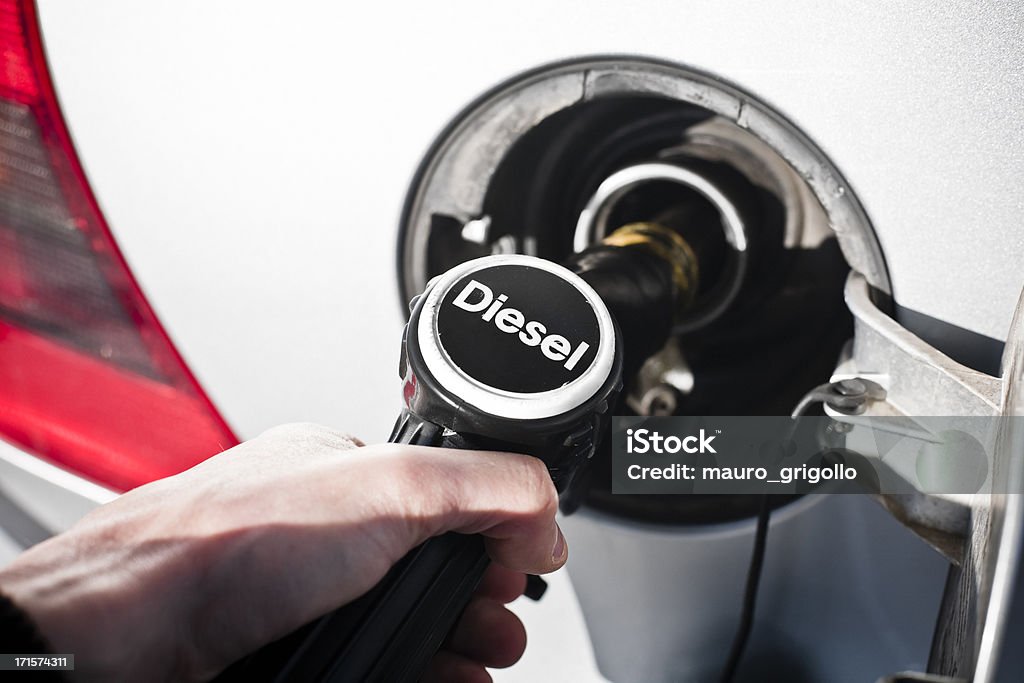
Fuel pump at Petrol Station. Diesel Pump.
How Much Diesel Can Destroy a Gas Engine?
The impact of putting diesel fuel into a gas engine varies depending on the amount and size of the engine, but even a small quantity like a quarter tank can trigger misfires in compact engines, while a full tank can create a serious issue; the moment you notice the mistake, stop the engine quickly to prevent the spread of diesel fuel through fuel lines and rails, and never test mix by turning the engine.
If the engine has never started, a simple drain and flush of the fuel system is often enough to fix the problem, but if the car was driven, diesel may reach injectors, sensors, and the catalytic converter, producing heat, soot, and increased repair costs. Always document receipts, fuel volumes, and label samples for insurance claims, and have technicians replace fuel filters, inspect spark plugs, perform oil dilution if needed, refill with gasoline, and drive gently afterward to restore safe operation.
Need Reliable Jet Fuel Delivery For Your Operations?
If knowing where fuel is stored in a plane made you think about supply reliability, we can help. Get consistent jet fuel delivery with strong quality control for aviation operations and ground support needs.
Diesel in a Gas Car: How Far Can You Actually Drive?
If you don’t drive the car after you accidentally put diesel in it, even a short distance can allow a little bit of contamination to spread further through the engine and fuel system, and once other cars are affected, the engine may stall immediately; the mix ratio, engine design, and vehicle load determine what happens, but in a regular car, the safest roadside action is to stop and tow it, as attempting to run the diesel-contaminated fuel risks expensive failures like catalytic converter and fuel pump damage, which can make replacing components a costly option. Once you realize the mistake while moving, pull over safely, stop the car, and avoid trying to crank the engine repeatedly, because doing so forces diesel into injectors and the exhaust system; the correct course of action is to call for professional assistance to drain and flush the fuel system. Afterwards, ask the shop to inspect sensors and spark plugs, fill the tank with fresh gasoline, install a new fuel filter, and keep receipts and log times, mileage, and potential claims to document the incident properly.
Diesel in Gas Car: How Long Before Damage Happens?
Putting diesel in a gas engine causes immediate damage, and if you notice problems like hesitation, smoke, or loss of power, it’s critical to understand that the engine’s internal components can be fouled, and the heat generated can seriously threaten the catalytic converter; keeping trying to start the engine or letting it run for hours racks up significant repair bills, especially since a diesel in a gas engine is time-sensitive, making it crucial to stop, tow the vehicle, and drain and flush the system as soon as you realize the mistake, while diagnostic codes and the engine’s sensors are still responsive. Longer exposure leaves diesel deposits, puts stress on the fuel pump, spark plugs, sensors, and catalytic converters, and can thin engine oil as diesel washes cylinder walls, so a professional service is needed to limit risks and ensure quick recovery, using fresh gasoline and new filters. Delays only increase downtime and costs, so carefully plan transport, collect repair estimates, receipts, insurance claims, and document the incident thoroughly.
Accidentally Put Diesel in Your Car? Here’s the Cost
Step
Action / Observation
Severity / Notes
Expertise Tips
Immediate Stop
Putting diesel in a gas enginecauses damage immediately; if you notice problems like hesitation, smoke, or loss of power, stop the car and tow
High – continued running seriously threatens catalytic converter
Avoid trying to start engine; diesel spreads quickly through fuel lines and rails
System Drain & Flush
Drain tank, flush lines and rails, replace fuel filter, spark plugs, install new filters
Moderate to high – depends on volume of diesel
Professional service ensures quick recovery, limits stress on fuel pump, sensors, and catalytic converter
Damage is dependent on diesel volume and engine design; early action reduces downtime and repair costs
Removing Diesel from a Gas Tank: What It Will Cost
When diesel ends up in a gas car, the service required to restore the engine can vary widely in price depending on whether the tank is simple or complex, such as saddle tanks, and how much the vehicle has been driven after the mistake; generally, simple tanks are less expensive to drain, flush, and filter, while complex tanks demand more labor and careful disposal of contaminated fuel. Dealerships or specialist companies often charge based on the region and accessibility of the tank, so it’s crucial to confirm that the service includes proper evacuation, flushing, filter replacement, and disposal in compliance with regulations. It’s highly recommended to request a written estimate before any work begins, as costs can range significantly, and having documentation ensures clarity on what the labor, disposal, and parts will cover.
Can a Gas Engine Survive After Diesel Contamination?
To act quickly after realizing diesel is in a gas car is essential to fully recover the engine, and the key steps include draining the fuel tank, flushing fuel lines, replacing the fuel filter, installing new spark plugs, inspecting sensors, and changing the engine oil; the sooner actions are taken, the better the outcome, as proper servicing allows engines to typically return to normal operation, while persistent misfires, catalyst codes, and indicators can signal ongoing issues that need a thorough clean-out process to prevent long-term damage.
How to Safely Flush Diesel from a Gas Engine
When contaminated fuel is identified in a gas engine, professionals must first disconnect the battery and evacuate the fuel tank, ensuring the contaminated fuel is properly collected and disposed legally; the next steps involve flushing the supply and return lines, thoroughly cleaning the fuel rail, and installing fresh fuel and a new filter, followed by removing and inspecting spark plugs, as well as checking sensors and the catalytic converter for damage, because attempting shortcuts yourself can easily lead to spills or fire, making professional intervention critical to safely restore the vehicle.
How to Remove Diesel from a Gas Car Fuel Tank
When addressing incidents of putting diesel in a gas car, it’s crucial to rely on a professional shop equipped with the right extraction pump, anti-spark equipment, and tools to safely drain the tank. The fuel must be transferred from certified containers and handled for proper disposal, while draining the lines, purging, and replacing filters ensures the system is clean. A reputable shop strictly follows waste rules to protect the environment, and any attempts at home siphoning are unsafe and dangerous, making it essential that professionals fix the problem, protect the car, and complete the process without hazards.
Diesel in a Gas Engine: Key Symptoms to Watch For
When you accidentally put diesel fuel into a gas engine, you’ll likely notice problems right away, and from experience I’ve seen the early signs catch drivers off guard, starting with hard starts and a rough idle that feels wrong the moment you turn the key; soon after, black or gray smoke pours from the exhaust, paired with a clear loss of power, while the check engine light may illuminate with catalyst codes, and a sharp smell of fuel can linger near the tailpipe. As the issue progresses, expect repeated stalls and even inability to start the engine, and the indicators stack up fast—knocking, hesitation, poor throttle response, increased cranking time, and constant trying to start the vehicle, all of which I’ve learned collectively point to serious consequences caused by a fuel mix-up.
How to Spot Diesel Mixed in Your Gas Tank
If you’re unsure about the fuel, a quick habit I’ve picked up over the years is to safely smell around the nozzle and filler area, because diesel has an unmistakable oily scent while gasoline smells fresh, clear, and thin by comparison; visually, diesel is also denser, often slightly yellow, which becomes obvious once you know what to look for. In a shop setting, a mechanic may conduct density and flash tests to remove any doubt about what happens when you put diesel in a car, and based on that hands-on experience the safest rule is simple: do not start the vehicle if there’s even a hint of uncertainty.
What Happens When Gas and Diesel Get Mixed?
From hands-on experience, mixing diesel with gasoline in an engine creates immediate problems like misfires, fouling, and escalating damage that can quickly take out the catalytic converter, because the two fuels are chemically incompatible in spark ignition engines; gasoline requires the right volatility and octane levels to burn cleanly, while diesel is designed to resist vaporization, so putting diesel into a gasoline engine is inherently detrimental, and even reverse scenarios necessitate draining and flushing the fuel system to avoid long-term consequences.
Frequently Asked Questions About What Happens If You Put Diesel In A Gas Car
Diesel in a Gas Car: What Happens If You Drive Right Away
If diesel is put into a gasoline car, the engine may run briefly before misfiring, smoking, and eventually stalling. As diesel circulates, spark plugs foul, sensors go out of calibration, and the catalytic converter can overheat. Stop safely and have the vehicle towed—continuing to drive only increases repair costs. Early intervention at a shop can prevent long-term damage.
How Much Diesel in a Gas Car Is Really Dangerous
Even a small amount of diesel in a gasoline engine can cause problems once the engine runs. Misfires can occur with just a little contamination, while a quarter tank poses a serious risk, and a full tank is considered severe. Because diesel is heavier than gasoline, the two fuels separate poorly, making the situation worse. It’s essential to stop the vehicle and have the fuel professionally drained to prevent further engine damage.
Frequently Asked Questions About Where Fuel Is Stored in a Plane
Diesel fuel of different types gel at different temperatures. However, the typical range is 10°F to 15°F. You can use anti-gel additives, switch to winter blend diesel before temperatures fall below 32°F or keep your vehicles warm during winter.
Diesel begins to un-gel and return to its normal liquid form when the temperatures go up above 20°F to 32°F. However, to un-gel fuel, human intervention will likely be needed. The fuel cannot just un-gel by itself especially it filters or line are already clogged.
Diesel fuel of different types gel at different temperatures. However, the typical range is 10°F to 15°F. You can use anti-gel additives, switch to winter blend diesel before temperatures fall below 32°F or keep your vehicles warm during winter.