Understanding plane fuel capacity is key to knowing how far an aircraft can fly, because the amount of fuel a plane carries directly determines its range. Modern aircraft are designed to hold large fuel volumes to safely cover their intended routes, whether short regional flights or long transoceanic journeys.
Fuel capacity, combined with burn rate, dictates how much payload a plane can carry, the efficiency of operations, and planning for alternate airports or weather diversions. The design and shape of the aircraft also influence fuel storage and consumption, making fuel planning essential for maximizing flight range. By carefully managing fuel, pilots and airlines ensure that aircraft reach their destinations safely and efficiently, highlighting why fuel capacity is a central factor in shaping every flight’s range.
Inside a Plane’s Fuel Tanks: How Much Can They Hold?
Planes carry vastly different amounts of fuel depending on their type and mission, and understanding these capacities reveals how aircraft range and performance are designed. Small training planes like a Cessna typically hold 50–60 gallons, midsize private jets carry 1,000–2,500 gallons, large long-range business jets can exceed 4,500 gallons, and widebody commercial airliners can surpass 50,000 gallons. Commercial aircraft generally range from 5,000 to 60,000 gallons, though the usable fuel is slightly less than the design capacity to stay within safety margins. By consulting professional aircraft databases and flight cost calculators, you can compare tank sizes, fuel range, and specific models, giving a clear picture of how much fuel planes truly carry.
Gas vs Jet Fuel: What Powers Planes Differently?
Planes run on very different fuels depending on their engines. Small piston aircraft use AvGas (aviation gasoline), which is similar in energy source to car fuel but specifically formulated for aircraft engines. In contrast, turbine aircraft and commercial jets rely on kerosene-based jet fuels like Jet A and Jet A-1, which are completely different from road gasoline. The type and amount of fuel a plane carries depend on aircraft type, engine design, and flight conditions. Commercial jets require massive fuel loads because their engines are designed for high-efficiency turbine operation and long-range flights. Understanding the distinction between AvGas and jet fuel helps pilots, aviation enthusiasts, and travelers grasp why planes use such different fuels and how it affects their fuel capacity.
Average Airplane Fuel Tank: How Much Can It Hold?
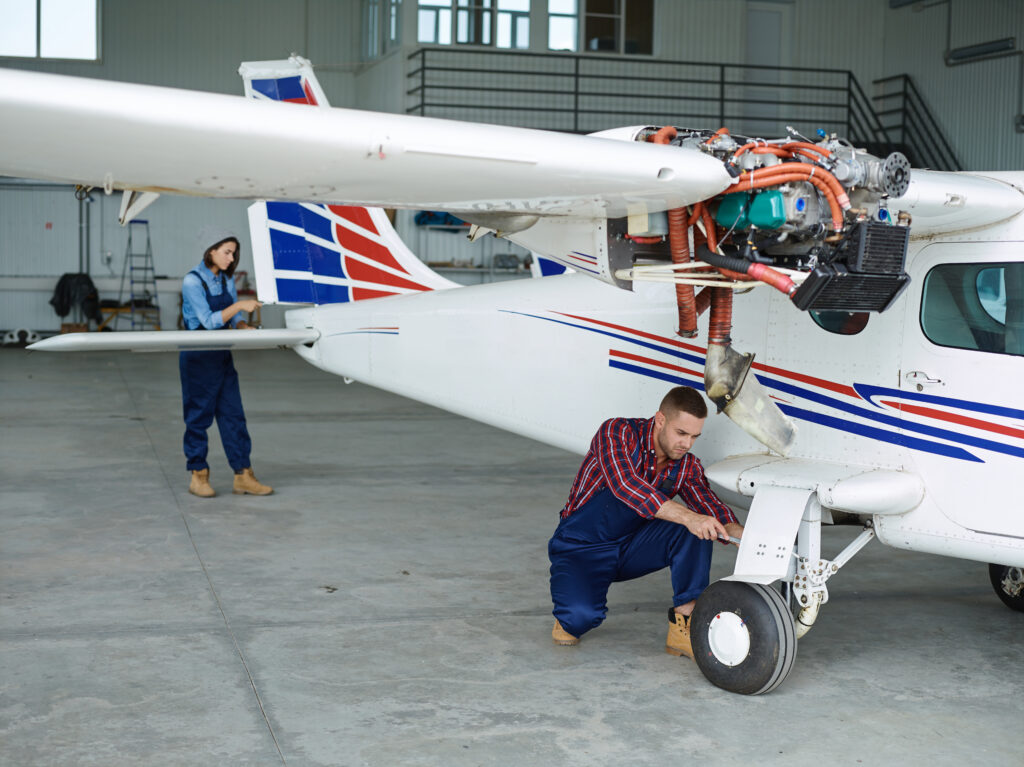
In aviation, plane fuel capacity is stored in multiple tanks—usually wing, center, and sometimes auxiliary—to manage structure, balance, and the airplane fuel tank capacity. Engineers carefully design these tanks to maintain the aircraft’s center of gravity, with fuel typically burned from the center tank first and wing tanks afterward to keep weight central. Understanding how many gallons an airplane holds, including optional auxiliary tanks that can increase capacity, is crucial because adding fuel adds weight, potentially reducing payload, and directly impacts aircraft performance and efficiency.
Plane Fuel Usage: How Much Gas Powers a Flight?
A common question among aviation enthusiasts is how much amount of plane fuel capacity an aircraft consumes, and understanding fuel consumption rate per hour helps put the total fuel used on long flights into perspective.
Plane fuel capacity usage varies significantly during different phases of flight:
- During takeoff and climb, maximum fuel burn occurs with engine thrust settings near peak, so a typical single-aisle jet may use several hundred gallons in the initial 15–20 minutes.
- During cruise at efficient altitude with engine power reduced, a mid-sized jet might burn 700–1000 gallons per hour.
- Large long-range widebody aircraft can consume several thousand gallons per hour.
- During descent and landing, fuel burn decreases considerably as engine thrust is lower, making this a short phase that contributes only a minor portion to the total fuel consumed.
The cruise portion dominates the overall airplane’s total fuel consumption. The total fuel used is dependent on many variables like weight, altitude, speed, and wind conditions, and for extended journeys, tracking jet fuel consumption per mile improves planning, highlighting how high-burn takeoff and descent phases are a smaller fraction of the total trip.
Jet Fuel Consumption: How Much Gas Powers a Jet?
Jet fuel consumption depends on the aircraft type, engine design, and flight conditions, but modern jets are surprisingly efficient given their size.
- A mid-sized single-aisle jet typically burns 700–1,000 gallons per hour during cruise.
- A large long-range widebody jet can consume 3,000–5,000 gallons per hour.
Fuel burn is highest during takeoff and climb and decreases significantly during cruise and descent. Over the years, engineers have improved specific fuel consumption through better engine design, large bypass fans, lighter materials, and aerodynamic enhancements like winglets. These innovations reduce fuel needed per passenger, making flights more efficient while also lowering environmental impact. Airlines also optimize fuel planning, route selection, and use of sustainable fuels to maximize efficiency without changing the core engines. Understanding these numbers helps explain how much fuel truly powers a jet on any given flight.
Boeing 737 Fuel Capacity: How Much Can It Hold?
The Boeing 737 plane fuel capacity varies by model and generation, making it important for anyone curious about how much fuel does a 737 hold.
- The 737 Classic series holds 5,300–6,000 gallons.
- The 737 Next Generation holds up to 6,875 gallons.
- The 737 MAX ranges from 6,300–6,900 gallons depending on the variant.
These figures answer questions like how many gallons of fuel does a 737 hold or how much fuel does a Boeing 737 hold, including considerations for auxiliary tanks on special versions. By focusing strictly on fuel capacity, these numbers provide a clear understanding of how much fuel the aircraft can carry without adding broader operational or route planning details.
Boeing 747 Fuel Capacity: How Much Can It Carry?
The Boeing 747 is famous for its very large fuel capacity.
- The 747-400 holds about 57,000 gallons.
- The newer 747-8 can carry over 60,000 gallons.
Fuel is distributed across tanks in the wings, center wing box, and body, enabling long intercontinental flights with large passenger loads. The 747’s capacity is among largest of commercial passenger jets, and its sophisticated fuel system manages multiple pumps, crossfeed valves, and other controls to maintain the center of gravity during long flights, ensuring both safety and efficiency even when fully loaded.
Plane Fuel Costs: How Much to Fill a Jet?
Fuel is one of the major operating costs for airlines, and prices vary by airport, region, and global oil markets.
Aircraft type drives the fuel capacity range:
- A small piston aircraft might hold 40–80 gallons, costing a few hundred dollars at typical AvGas prices.
- A midsize business jet carries 1,500–2,500 gallons, translating to tens of thousands of dollars.
- Narrow-body airliners use 5,000–8,000 gallons on a long sector, sometimes more.
- Large widebody jets take 30,000–over 50,000 gallons for a full international uplift, reaching six figures in cost.
Given these substantial differences in fuel requirements, airlines actively manage fuel costs through hedging, applying surcharges, and continuously monitoring fuel consumption on every route to optimize operations and plan efficiently.
Jet Fuel Weight: How Heavy Is a Plane’s Lifeline?
Fuel weight is a crucial factor in flight planning, as pilots and dispatchers must determine the weight of jet fuel to accurately calculate performance and set payload limits. Typically, jet fuel weighs approximately 6.5–7 lbs per U.S. gallon, which translates to about 0.8 kg per liter. A full long-haul fuel load exceeding 50,000 gallons can add over 300,000 lbs to the aircraft’s total weight.
Converting volume in gallons or liters to mass in pounds or kilograms is essential because airlines closely monitor how changes in temperature affect fuel density—cooler fuel is denser, so the same volume weighs more, which directly impacts the aircraft’s takeoff performance and overall flight safety.
Takeoff Fuel: How Much Gas Powers a Plane’s Launch?
During takeoff, one of the most fuel-intensive flight phases, a single-aisle jet can burn hundreds of gallons from engine start through initial climb, often consuming 5–10% of total trip fuel on a medium flight. A heavy long-haul aircraft may burn even more due to high weight.
Airlines actively mitigate this by using reduced-thrust takeoffs whenever possible, minimizing early-phase fuel use while still maintaining safety, and ensuring the overall fuel plan aligns with operational efficiency across all flight phases, from takeoff to cruise.
Plane Reserve Fuel: How Much Is Kept for Emergencies?
Aircraft fuel requirements are mandated by regulations, with reserves and contingency amounts allowing pilots to manage potential delays or diversions safely.
The main categories include:
- Reserve fuel
- Contingency fuel
- Alternate fuel
- Final reserve fuel
- Extra discretionary fuel
This explains why people ask how much extra fuel do planes carry, ensuring arrivals are on time while the aircraft can still land safely. Usable reserves leftover amount connects directly to safety margins and the next section of operations concerning fuel after landing.
Commercial Flights: How Much Fuel Remains After Landing?
For a commercial airliner, fuel capacity and how many gallons of fuel does a plane hold are set by fixed design specification, but the actual amount of fuel carried and the amount remaining after landing varies on every flight.
On commercial flights, planes are not permitted to land with almost empty tanks; they must maintain mandatory final reserve fuel, required contingency fuel, and alternate fuel amounts. After a flight, remaining fuel is factored into the fuel load for the subsequent sector, considering schedule and route. Dispatchers meticulously recalculate fuel load to ensure the combination of existing fuel and newly added fuel adheres to regulations. Airlines closely monitor fuel patterns with the goal of avoiding carrying unnecessary fuel weight, which increases operating costs, while still guaranteeing a robust safety margin.
What Fuel Powers Planes? Discover Their Lifeline
When considering planes, fuel type and storage conditions are critical because aviation fuels must be managed carefully to maintain performance and safety.
Gasoline-based products like AvGas 100LL aviation gasoline, used in piston training aircraft and touring aircraft, can last up to 1 year if stored in a cool dry place, protecting from water and heat, which helps keep gasoline stable and prevent gum formation.
Jet A and Jet A1, used in turbine aircraft and by airlines, also last around 1 year if tanks are clean, kept free of water and contaminants, and microbial growth is avoided to prevent filter blockages.
Unlike road gasoline, which is not used in certified aircraft and not approved for most certified aircraft, aviation fuel life varies, sometimes only a few months, because quality degrades due to sensitive oxidation, ethanol effects, and extended storage time.
| Fuel Type | Aircraft Used | Typical Storage Life | Storage Notes |
| AvGas 100LL | Piston training, touring aircraft | Up to 1 year | Cool dry place, protect from water and heat, prevent gum formation |
| Jet A / Jet A1 | Turbine aircraft, airlines | Around 1 year | Clean tanks, free of water/contaminants, avoid microbial growth, prevent filter blockages |
| Road Gasoline | Not used in certified aircraft | Few months | Quality degrades, sensitive to oxidation and ethanol effects |
Fueling a Plane: How Long Does It Really Take?
Ground teams often get questions about how long it takes to fuel an airplane before departure, and the time depends on aircraft size, fueling method, and safety checks.
- Small aircraft: Just a few minutes
- Narrow body jets: Usually 15–30 minutes
- Large widebodies: 30 minutes or more
Strict safety procedures are always followed, with careful planning to ensure the total uplift matches the flight plan and reserves, all while keeping turn times low for efficient operations.
Plane MPG: How Many Miles Per Gallon Do Jets Get?

When looking at a plane’s miles per gallon (MPG), comparing it to a car’s MPG can be misleading, so a better metric is miles per gallon per passenger.
- A modern single-aisle jet typically achieves 70–100 MPG per passenger.
- Large, full long-haul aircraft are surprisingly efficient because shared fuel burn across many seats maximizes the plane fuel capacity usage.
This considered approach factors in passenger count per seat, showing that modern jets can surpass efficiency of single-occupant cars, especially on short trips. For travelers interested in eco-friendly flight options, newer aircraft and sustainable aviation fuel programs help, while comparing per-passenger emissions through trusted aviation resources gives a clearer picture of actual efficiency.
FAQs
Plane Fuel Before Takeoff: How Much Do Jets Carry?
Aircraft dispatchers make sure a plane has enough fuel for taxiing, takeoff, and the whole journey. This total fuel goes beyond just what’s needed for the trip—it includes required reserves and any extra fuel the captain asks for. For example, a medium-haul flight might carry 10–30% more fuel than planned to account for delays or route changes, providing a safety buffer.
Commercial Plane Fuel Costs: How Much to Fill Up?
The cost to refuel an aircraft depends on the size of its tanks, the price of fuel, and the flight route. For narrow-body planes, it can be tens of thousands of dollars, while wide-body planes cost much more. When fuel prices are high, airlines may choose to carry extra fuel from cheaper airports, as long as weight and performance limits allow.
How much do 60,000 gallons of jet fuel weigh?
At 6.75 pounds per gallon, 60,000 gallons of fuel weighs 405,000 pounds. A plane like the 747 can easily carry that much fuel, but the total weight is still impressive.
What happens to the fuel if an aeroplane has to land shortly after takeoff?
If an airplane must land shortly after takeoff, it may be too heavy to land safely.
- Large jets have a maximum landing weight, and full fuel can exceed it.
- Some aircraft can dump fuel to reduce weight quickly before landing.
- Others may circle to burn fuel if they cannot dump it.
- Small planes usually cannot dump fuel, so they either burn fuel or land slightly overweight.
Fuel dumping is done carefully to minimize environmental impact and ensure safety.