How Long Does Gas Last Before It Goes Bad?

Many drivers often ask how long does gas last, and from experience handling gasoline in tanks and cans, it’s clear that fuel goes bad if not managed properly. This guide provides clear timelines on gasoline shelf life

How Long Does Gas Last Before It Goes Bad?

Managing fuel storage requires a clear understanding of how gasoline reacts to its environment and the passage of time. Regular gasoline has a surprisingly short shelf life compared to other chemicals, often losing its effectiveness in just a few months. This article provides a deep dive into the signs of fuel spoilage, the risks of running an engine on expired gas, and professional tips for preservation. By following these storage guidelines, you can prevent costly repairs and ensure your equipment remains ready for use. Understanding these shelf-life factors is essential for both casual drivers and industrial fleet managers alike.

Key Takeaways

  • How long does gas last depends on the specific fuel blend and storage environment.

  • Does gasoline go bad over time? It generally begins to degrade after three to six months.

  • Factors like heat and humidity accelerate the oxidation process that spoils fuel quality.

  • Can old gas damage an engine? Using stale fuel can cause clogs and starting issues.

  • How to store gas properly involves using airtight containers in cool, dark locations.

Table of Contents

Many drivers often ask how long does gas last, and from experience handling gasoline in tanks and cans, it’s clear that fuel goes bad if not managed properly.

This guide explains clear timelines for gasoline shelf life, whether fuel is stored inside vehicles, at home, or in a garage. It also outlines safe checks before use so you understand how long gas is good for.

Factors such as ethanol content, storage conditions, and container type directly affect fuel longevity. Proper storage practices can slow aging and maintain fuel quality.

I also explain safe disposal rules to help you avoid problems caused by stale gasoline, since old fuel cannot be fully trusted after certain periods.

How Long Does Gas Last?

From hands-on experience with generators, vehicles, and stored fuel, people often ask how long does ethanol gas last and why ethanol gas breaks down faster. Ethanol blends like E10 are usable at first but usually last only 1–3 months, especially in warm weather. In both storage containers and vehicle fuel tanks, heat, air exposure, and moisture shorten shelf life, even when fuel is kept in a cool place where it may approach the upper end of that range.

By comparison, many wonder how long non-ethanol gas lasts because non-ethanol gas, also known as pure gasoline, has a longer and more predictable shelf life. When sealed properly and kept cool, it can last 6–12 months whether stored at home or left in a vehicle that isn’t driven often. Ultimately, how long gas is good for depends less on time alone and more on handling, container integrity, and usage habits, since degraded fuel loses volatility and octane, leading to knocking, hard starts, and potential long-term engine damage I’ve personally seen from neglected fuel.

How Long Can Gasoline Be Stored?

For home users wondering how long they can store gasoline, experience shows that fuel behavior varies depending on type and handling. E10 typically lasts around 3 months under average conditions, while non-ethanol fuel can stay usable up to 12 months if kept in tight approved cans away from heat and light. Observing label dates and following a first-in, first-out routine helps ensure older fuel doesn’t sit too long and go bad, preventing costly surprises. Establishing a seasonal rotation routine to refresh stock not only maintains optimal gasoline shelf life but also helps reduce waste, as home users who neglect this often discover. By respecting conservative limits and practicing careful storage, each season’s fuel remains safe and reliable.

How Long Does Gas Last In A Gas Can?

For owners who often ask how long gas lasts, experience shows that the type and material of the gas can play a major role. Using approved metal cans can extend gasoline shelf life to about 6–12 months by reducing permeability, vapor loss, and oxygen exposure, while certified plastic cans may allow slight diffusion, limiting storage to around 3–6 months. The choice of container directly impacts how long gas remains usable and safe for engines.

Proper storage practices further prolong gas life. Keeping fuel away from high temperatures and direct sunlight, minimizing headspace, slowing evaporation, controlling oxidation, and ensuring tight caps all help maintain fuel quality. Following these steps keeps gasoline ready for safe use and reduces the risk of degraded fuel causing hard starts, knocking, or long-term engine damage.
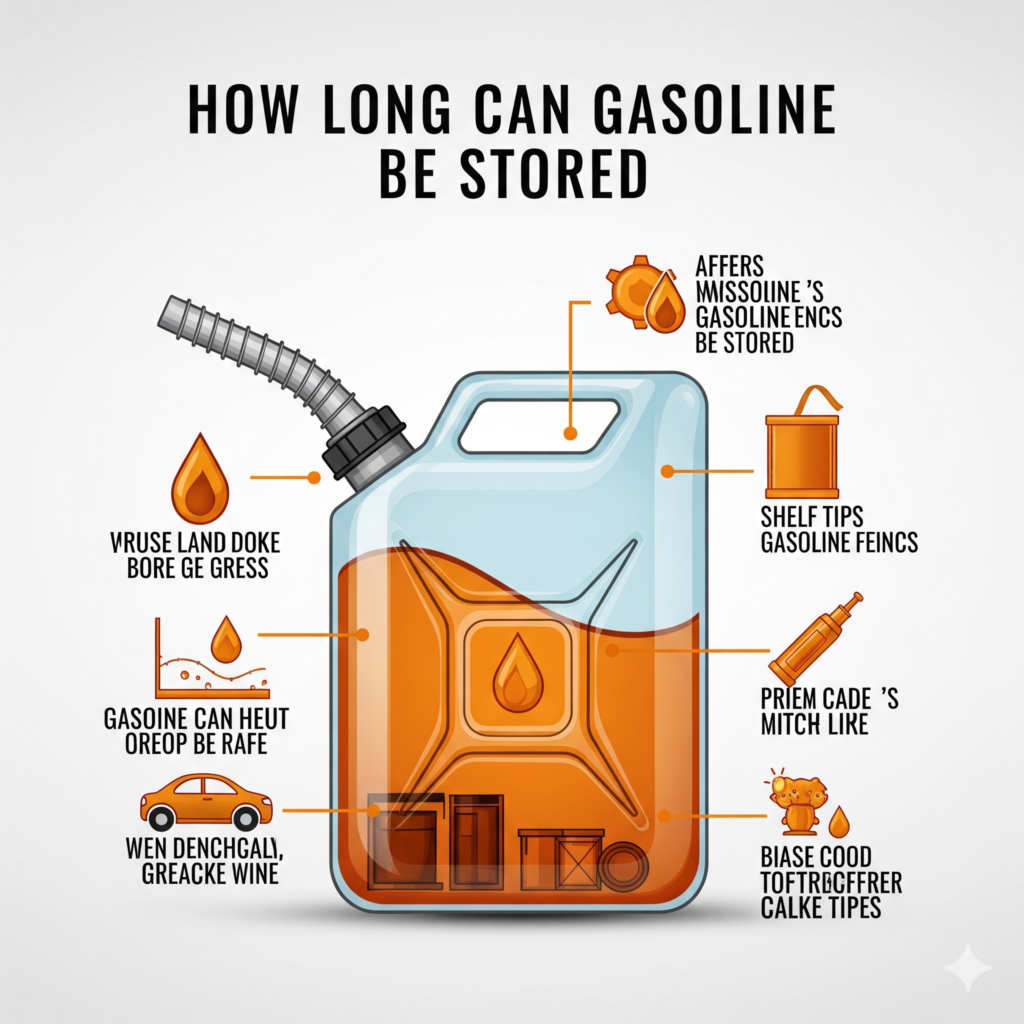
How Long Does Gas Last? Shelf Life in Cars & Cans Explained

How Long Does Gas Last In A Car?

For car owners wondering how long gas lasts in a vehicle, ethanol blends like E10 typically remain usable for about 1–3 months, while non-ethanol gasoline can last 6–12 months if the tank is sealed and kept cool and away from sunlight. Gas sitting in a warm tank naturally loses potency as vapor escapes and oxidation occurs, lowering octane and turning fuel stale, which can strain the fuel pump, clog filters, and damage injectors.

To keep gasoline safe and reliable, it’s best to refill regularly, avoid letting fuel sit for extended periods, top up with fresh fuel, and for long-term storage, use a fuel stabilizer during the final fill-up to maintain performance while knowing exactly how long gas will last in your car.

Does Gasoline Go Bad?

Yes, gasoline does go bad, and how quickly it degrades depends on type and storage. Ethanol blends like E10 typically remain usable for about 1–3 months, while non-ethanol gasoline can last 6–12 months if kept sealed, cool, and away from sunlight. Over time, oxidation, gum formation, and water absorption in ethanol blends reduce volatility and lower octane, leading to rough starts, engine pinging, and declining power. Recognizing these signs and understanding proper storage helps ensure fuel remains effective and prevents surprises in everyday vehicle use.

What Makes Gas Go Bad?

Gasoline can spoil due to two main factors: chemical breakdown and contamination by water.

Chemical Deterioration

Gasoline is made of complex chemical compounds, and its lighter, more volatile elements begin to evaporate the moment it comes in contact with air and starts to react with oxygen, creating that familiar telltale smell many people associate with gas. When a car sits without topping up the fuel tank, those volatile compounds gradually evaporate, leaving behind a thick substance that resembles a varnish or varnish-like residue. This substance does not burn well and can clog critical fuel system components, including carburetors and fuel injectors, ultimately affecting engine performance.

Water Contamination

Some of the worst things that can happen to a fuel system start when water manages to find its way into the gas tank, often through an open gas cap or a small leak, especially during cold temperatures when condensation forms on the tank’s inner surface. In harsh winters, this water can freeze and block the gas line, which is a leading cause of corrosion, rusty parts, and components that no longer run as designed. Over time, rust can fall apart and clog the gas line, effectively depriving the car’s engine of proper fuel and preventing it from running properly, making water contamination one of the most overlooked but serious issues for stored gasoline.

How To Tell If Gasoline Has Gone Bad?

To tell if gasoline has gone bad, start by observing its color and clarity—fresh gas is clear, while old fuel often appears dark or hazy and may contain sediment. Smelling the gas is another key test, as bad gasoline develops a strong varnish-like odor. Pouring a small sample into a clear container helps spot phase separation or water contamination, especially in ethanol blends. If any of these signs appear, avoid using the fuel to prevent engine damage, and always handle gasoline outdoors with good airflow and away from open flames.

How To Tell If Gasoline Has Gone Bad?

To tell if gasoline has gone bad, start by observing its color and clarity—fresh gas is clear, while old fuel often appears dark or hazy and may contain sediment. Smelling the gas is another key test, as bad gasoline develops a strong varnish-like odor. Pouring a small sample into a clear container helps spot phase separation or water contamination, especially in ethanol blends. If any of these signs appear, avoid using the fuel to prevent engine damage, and always handle gasoline outdoors with good airflow and away from open flames.

What Happens To Gas As It Ages?

As gasoline ages, its lighter, more volatile components gradually evaporate, reducing fuel volatility, while oxidation forms gums and varnish that can foul injectors and clog fuel lines. Ethanol blends may absorb water, causing phase separation and corrosion, further shortening shelf life. Aged gas often darkens, develops a strong varnish-like odor, and loses octane, leading to rough starts, misfires, and reduced engine performance, which clearly shows why old fuel is no longer reliable.
Need Reliable Jet Fuel Delivery For Your Operations?

If knowing where fuel is stored in a plane made you think about supply reliability, we can help. Get consistent jet fuel delivery with strong quality control for aviation operations and ground support needs.

Is Old Gas Bad For Your Car?

Old gas is bad for your car, and if you’re thinking about whether it can hurt your car, the answer is yes. Deposits and varnish build up, potentially clogging fuel injectors, filters, and other components, leading to problems like pinging, knocking sounds, and difficulty starting. For car owners who notice symptoms from a little bit of stale fuel, diluting with fresh gas can be a short-term fix, but continuing to use old gas risks more damage. The safest approach is to drain, replace, and restore the car’s performance while following guidelines to protect the fuel pump, seals, and other critical components to ensure you can use old gas and your car safely.

How To Rejuvenate Old Gasoline?

Rejuvenating old gasoline is limited because once fuel loses volatility or separates, it cannot be fully restored. The best approach is to add a fuel stabilizer to fresh gasoline before storage to slow aging, but adding it to already degraded gas won’t recover lost performance. For slightly stale gas, some owners can dilute it with fresh fuel if there is no phase separation, ensuring safe use in cars or outdoor equipment. Handling old gas carefully and avoiding severely degraded fuel is the only reliable way to maintain engine performance.

How To Properly Store Gas To Make It Last?

To adequately manage how long gas lasts and how long gasoline lasts, the right steps start with choosing approved cans, noting label dates, and storing fuel in a cool, dry, dark place to extend gasoline shelf life. Understanding how long gasoline can be stored and how long it can sit helps answer how long is gas good for. Filling the container to about ninety percent, limiting air, keeping caps tight, and avoiding daily opening improves storage and protects the gas can. For longer-term storage, add stabilizer to fresh fuel to lengthen life, ensuring you know exactly how long gas is good for before it goes bad.

How To Dispose Of Old Gas?

When properly handling old gas, it’s critical to dispose of it according to local rules, because knowing how long you can keep gasoline in a container and once expired helps prevent accidents. The safest way is to follow guidance from household hazardous waste centers, transport fuel in sealed approved cans, and either drop off at a certified household hazardous site or visit a collection event. Never pour fuel into soil or drains, and never place it in the trash. Keeping receipts, following rinse guidance, and asking staff for advice ensures you resolve expired fuel safely without risking contamination or accidents, and avoids storing gasoline improperly in places like a car trunk.

FAQs About Gas And Gasoline Disposal

Common questions about gas and gasoline disposal focus on safety, legality, and practicality. Old or expired fuel should never be poured into soil, drains, or the trash, and mixed fuels require careful handling to avoid phase separation. Homeowners often ask where to take old gas—household hazardous waste centers, collection events, or certified drop-off sites are the safest options. Fees, container returns, and partial fuel handling vary by location, so calling ahead ensures proper disposal without risking accidents, contamination, or engine damage.

Using A Fuel Stabilizer Can Extend Its Shelf Life?

Using a fuel stabilizer can significantly extend gasoline’s shelf life by slowing oxidation, preventing water absorption, and maintaining volatility. For best results, always follow label instructions, mix the stabilizer with fresh fuel, store the fuel in a cool, dry, dark place, and gently agitate to ensure thorough blending. Whether in cans or vehicle tanks, properly applied stabilizers help preserve fuel quality and protect engines during long-term storage.

Factors Like Storage Container Type?

The container you use is a major factor in maintaining fuel quality. Approved metal cans or certified plastic containers provide the best protection, especially when the cap gasket fit is tight and the vent design properly seals. This setup cuts air exchange to a low level, while permeability plays a role: strong metal resists light and pressure better, whereas plastic allows slight diffusion but still keeps fuel safe and stable, helping reduce vapor loss and maintain gasoline integrity over time. The effect on gasoline shelf life is directly influenced by container quality and storage conditions. Longer, stable, and better storage is achieved when diffusion is minimized, seals, fit, cap, gasket, and vent design reduce pressure and vapor loss, with metal containers providing the strongest protection against light and heat. This has a direct impact on how long gas lasts: fuel kept in the right container remains good longer, emits fewer odors, and stays stable, whereas poor storage shortens gasoline life, showing that choosing the right container is key to keeping fuel usable for extended periods.

Higher Temperatures And Humidity Accelerate Oxidation?

To maximize gasoline shelf life and understand how long gas is good for, it’s best to avoid storing cans in hot summer sheds or attics; instead, choose a cool spot on a low floor with shade and good airflow. Adding a stabilizer to fresh fuel helps keep it predictable, while users should try to limit opening daily. Proper insulation, spacing, and keeping cans away from walls reduce heat absorption and extend long gas good performance, making how gas is stored just as important as the fuel itself.

Vehicle Sputters, Misfires, Fails To Start?

A vehicle can sputter, misfire, or fail to start when gasoline goes bad because stale fuel forms gums, varnish, and deposits that clog fuel injectors, carburetors, and filters. Loss of volatility and lowered octane in old gas also reduces combustion efficiency, causing rough idling, engine knocking, and difficulty starting. Recognizing these signs early and replacing degraded fuel prevents damage to pumps, injectors, and other critical components, ensuring smooth and reliable engine performance.

Can I Use 2-Year-Old Gas?

Using 2-year-old gasoline is not recommended because most fuel loses potency long before that time, making it unsafe for cars or engines. Over time, evaporation, oxidation, and ethanol water absorption reduce volatility and octane, causing rough starts, misfires, and potential engine damage. Old gas should be properly disposed of at a hazardous waste site, while fresh fuel with stabilizers stored in sealed, cool containers ensures reliable long-term performance.

FAQs

How Long Does Gas Last In Storage Containers, Cars, And Fuel Tanks?

Gasoline shelf life varies depending on where it’s stored. Ethanol blends like E10 typically last 1–3 months, while non-ethanol gasoline can remain usable 6–12 months. In sealed storage containers, fuel lasts longest if kept cool and dark, while in cars, heat and air exposure can degrade gas faster, and fuel in fuel tanks may last longer than ethanol in open cans but still loses potency over time. Using stabilizers and proper storage helps maintain reliability across all storage types.

Can I Use 2-Year-Old Gas Without Harming My Engine?

You’re probably questioning whether old gasoline is harmful to your car and if it can cause damage. If your gas has been sitting for more than two years, it’s time to drain and replace it. To prolong how long you can store fuel, use a fuel stabilizer while the gasoline is fresh, and always note the dates to monitor potential risks.

Frequently Asked Questions About Where Fuel Is Stored in a Plane