Safe Ways to Get Rid of Old Gas
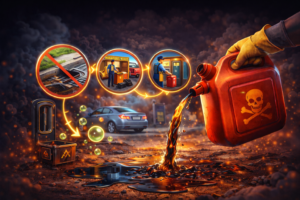
Old gas is hazardous waste and should ideally be disposed at a facility that at least has an approved collection site which accepts fuels and other flammable liquids. When transfer is necessary, only use certified containers and work in a well ventilated area using gloves, goggles, and non-sparking tools. Never pour on the grounds, in a sink, or anywhere unclear—if unsure, contact your local fire department or environmental protection agency branch. Fresh fuel can be burned, but old gas may cause explosion, and you can be liable for legal penalties if you mix or mishandle it.
How to Safely and Legally Dispose of Old Gas
To dispose of old gas at home safely, it’s best to rely on a professional facility that handles hazardous waste. Proper way includes carefully storing it in sealed, approved containers and delivering them to a local drop-off location or certified centers. Never pour into soil or drains, as this violates environmental regulations. Know your state, municipal, or local laws, because rules differ across cities, and some authorities enforce stricter standards. Important to check, paying any charge or fee ensures full compliance with laws. If unsure, call a mechanic, shops, or recycling centers to take degraded gasoline and possibly reuse it safely—this is better than letting doubts linger when trying to get rid of gasoline yourself.
Safe Ways to Get Rid of Bad Gas From Vehicles
When gasoline starts showing rancid odor, darker color, cloudy feel, or your engine begins to misfire, these are bad signs that indicate it has oxidised and isn’t combustible anymore. The level of risk rises, so it’s crucial to get rid and dispose of it safely. Always wear gloves and goggles when attempting to drain lawnmower or vehicles tanks, and use a siphon, pump, or manual extraction tool for small amounts, tilt the tank with the intent of transferring to a safe container. Old gas can clogged injectors, cause carbon buildup, and even total failure, leading to expensive repairs. Prioritizing safety, understanding risks, and removing fuel properly helps avoid hazards while protecting your equipment.
Dispose of Contaminated Gasoline Without Harming Engines
Old gasoline that is contaminated and contains water, rust, debris, or oil is unsafe for your engine and classified as hazardous waste. Any attempt to use it still pose significant risks, even with a filter, because stale fuel loses volatility over time and should be discarded or disposed safely. In some cases, it can be diluted or reused, but it’s important to know how to dispose properly to avoid harm to yourself or the environment. Keep stored fuel sealed, airtight, and labeled in approved containers, protected from sunlight and moisture, which makes it less likely to prevent getting bad. When possible, recycle fuel through certified programs to handle old gasoline responsibly.
Gas-Oil Mix Disposal: Protect the Environment
Gas-oil mix, like old gasoline for two-stroke engines, chainsaws, or outboard motors, is hazardous, highly flammable, and toxic, so dispose must take place at a certified waste facility. Pouring down the drain or trashing is dangerous and illegal, as improper handling involves strict safety measures to prevent leaks, fire, poison, or contamination that contaminate soil and pollute water. Learning how to get rid of blended fuel correctly reduces risks and harm, ensures legal violations are avoided, and using approved facilities is always better for safe environmental handling.
Used Gasoline Disposal From Generators & Old Equipment
Gasoline used in generators can degrade within 3-6 months, especially when exposed to heat, air, or moisture, which accelerates degradation and leads to foul smell, dark coloration, and hard starts. It’s crucial to learn how to dispose of used fuel safely following regulations: never drain into the environment, always keep it in an airtight, certified container, clearly label, and store standing, in a cool, dry place. Proper storage prevents hazards that originate from spills, vapour, or mishandling during cleanup, kits, and transportation. Local hazardous waste facility accepts fuel, and using a stabilizer on samples can extend shelf life for safer use later.
Old Gas Disposal: Legal and Responsible Ways
The best option to dispose of old gasoline at a local house hazard waste (HHW) facility ensures it’s handled safely along with other fuels, including contaminated gas or gas-oil mix. In the U.S., many states provide searchable databases of approved disposal sites, and the EPA Locator allows you to check your state site whether in California, New York, Texas, or Florida, making proper handling simple and compliant.
How to Recycle Gasoline Safely and Responsibly
One way to recycle gas is to reuse fuel that is only slightly degraded. You can call mechanic shops that accept old gasoline to repurpose it for cleaning or industrial uses, sometimes blending it at a ratio of 1:5 with new fuel for engine light car applications. If the gas smells rancid or contains debris, it is not doable or safe, making proper disposing the only responsible option.