Diesel Fuel Colors Explained: What Every Driver Should Know Before Filling Up
Diesel Fuel Colors Explained: What Every Driver Should Know Before Filling Up
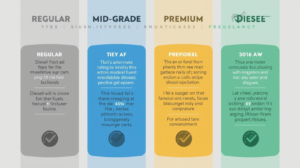
Diesel fuel comes in various colors, from clear and pale yellow to red, green, or blue, each indicating its type and legal use. Understanding diesel fuel colors helps drivers avoid misfueling and ensures compliance with regulations. Clear or pale yellow is standard on-road diesel, while red and green are for off-road or specific uses. Color variations can also indicate oxidation, contamination, or additives. Knowing what to look for protects engines, fuel efficiency, and safety.
Clear/Pale Yellow: Standard on-road diesel, safe for public road vehicles.
Red Diesel: Off-road diesel for agriculture, construction, or heating; tax-exempt.
Blue Diesel: Rare, typically for government or special-use fleets.
Green Diesel: Sometimes for heating or marine operations; check regulations.
Color Changes: Darkening, cloudiness, or unusual hues can indicate contamination or aging fuel.
Table of Contents
Diesel fuel colors typically ranges from clear to pale yellow, though it is possible to have other colors due to additives or when dyed blue or red to define tax status or usage. To understand the normal appearance, it helps to compare with different fuels and make sure you recognize that diesel sometimes does not appear exactly the same as when it naturally occurs after refinement, as variations in color are normal depending on refinement and fuel source.
Understanding the Color of Diesel Fuel
The answer to the question of what color diesel fuel is can be surprisingly simple: in its normal state, diesel is usually clear, pale, or yellow, appearing translucent with a faint, slightly oily sheen. Several variables can affect diesel fuel color, including age, contact with water, or when it begins to oxidize. Hydrocarbons can react with UV light or heat, which darkens the tone over time, while storage materials, certain additives, cetane improvers, or color indicators can also make it look different. Even bad diesel may show visual cues, but overall, the color varies across batches, tanks, and differing conditions, so understanding these factors helps explain what’s normal versus concerning.
Factor
Effect on Diesel Fuel Color
Notes / Expertise
Oxidation
Gradual darkening, often amber
Happens faster in moist or hot areas, so storage conditions matter.
UV & Heat Exposure
Yellowing, loss of clarity
Best to store fuel in a cool, dark place to minimize change.
Storage & Tank Material
Slight tinting, residues, or coating
Tanks that leak or have old material can subtly shift fuel tone.
Additives / Cetane Improvers
Subtle shifts in tone, often normal
Reactions are expected and can affect appearance without indicating a problem.
Trace Water
Cloudiness
Indicates contamination, which can impact fuel performance.
Microbial Growth
Dark haze, sediment
Common when water is present; can affect fuel quality.
Cross-Fuel Mixing
Strong odor, color mismatch
Shows deteriorated quality and may harm engines if wrong fuel types are combined.
This table shows how diesel fuel color is not fixed; oxidation, UV light, heat, tank material, additives, water, microbes, and cross-fuel mixing all contribute to subtle or strong shifts in appearance, helping drivers and technicians assess fuel condition at a glance.
Why Is Diesel Fuel Colored? Explained
Diesel fuel, when fresh and not contaminated, typically appears clear, pale, or yellow, which reflects the normal appearance after refining and depends on quality and whether it is number 1 or number 2 diesel at the pump. Different regions often mark diesel differently, and the color can vary depending on local regulations, intended use, or additives, so technicians and users must look carefully at the fuel before use and understand that tanks storing diesel may show slight tinting over time.
For off-road applications such as agriculture, construction, or heating, diesel is commonly dyed red or sometimes green, with tinted colors serving as markers for tax compliance, regulatory purposes, and helping inspectors recognize the fuel’s intended use. This color coding allows governments to enforce law and regulation effectively while distinguishing public road fuel from off-road supplies, ensuring diesel is used properly and monitored through roadside checks or dip tests for tax compliance.
Diesel Fuel Color: How It Differs from Gasoline
When comparing the color of diesel to gasoline, it’s key to note that diesel is usually clear, pale, or yellow, whereas gasoline often appears more water-like and transparent, and this subtle difference can create confusion at the pump; misreading fuel color or mixing terms blurs the line between categories, potentially causing costly mistakes, so it’s important to always distinguish which fuel is being pumped, with attention to diesel’s natural pale yellow tone versus gasoline’s clear hue helping drivers avoid misfueling, protect engines, and ensure proper fuel usage.
Diesel Fuel Colors Explained: What Each Means
Diesel fuel is often dyed to indicate its intended use and ensure tax compliance. While standard diesel ranges in color from clear to pale yellow, certain dyed varieties are used for specific purposes or regulatory distinctions.
Appearance
Meaning / Use
Notes
Clear / Pale / Yellow
Standard diesel fuel, taxed, suitable for use on public roads
Natural appearance can vary slightly due to additives or minor contamination, but shouldn’t prevent proper use.
Red / Dyed
Off-road diesel, used in agriculture, construction, mining, heating
Signifies tax-exempt status and restricted applications; not for general road use.
Blue
Special purposes, often government fleets
Adheres to different local rules; check jurisdictions for compliance.
Green
Sometimes used for heating or marine operations, low-sulfur variants
Markers vary by region, so always check local guides for clarification.
Blue Diesel Explained: Uses and Why It’s Rare
When it comes to diesel and its color, most people think clear or red, but blue diesel is very uncommon in the US and certain other jurisdictions, and its usage is tightly regulated. Typically, blue dye is reserved to mark fuel for government fleets, export, or special applications like research, training, testing, or specific drop-off points, so the answer to “what color is diesel?” is that blue diesel hardly ever applies to regular buyers. Because diesel dyed blue is so rare, it can complicate inventory, confuse buyers, and requires careful attention to regional rules and enforcement efforts to avoid misapplication.
Need Reliable Jet Fuel Delivery For Your Operations?
If knowing where fuel is stored in a plane made you think about supply reliability, we can help. Get consistent jet fuel delivery with strong quality control for aviation operations and ground support needs.
The green coloration in diesel can be either intentional or accidental, depending on regions and specific regulatory purposes, where diesel may be dyed to signal certain uses or to indicate the presence of additives reacting with microbial colonies. To differentiate whether the green color is a true marker or a sign of contamination, simple tests can be carried out by placing diesel in a clear jar, adding water, and shaking to observe cloudiness or sediment, though sophisticated test kits may be necessary for accurate results. If diesel fuel stays green and shows cloudiness or sediment, it is contaminated and should be discarded safely by contacting local hazardous waste centers to protect machines and engines.
Clear Diesel or Watered-Down: What’s the Difference?
Just because diesel appears clear doesn’t mean its color is like water—diesel naturally ranges from clear to pale yellow, often translucent with a slight glossy sheen, unlike the flowy appearance of water. When water mixes with diesel, it can lead to the formation of a cloudy, milky emulsion, which produces faulty diesel fluid and alters the color inside tanks, especially as condensation forms or weather changes. To check diesel, notice certain cloudiness, and if you’re not sure about the color, it’s wise to keep fuel away from contamination and test before using or discarding.
Dyed Diesel Fuel: Why It’s Illegal for Road Use
Diesel fuel is usually dyed to demarcate regulations, tax, and compliance, with red most commonly signaling forbidden use on public roads, while exempt users who have paid excise or hold specific exemptions can legally operate vehicles with it. These regular dyes make it easy for authorities to catch violators, who may be liable for fines, vehicle seizure, or criminal charges depending on the situation. Inspectors enforce laws and regulations by conducting tests on highways, including tank dips, chemical spot tests, and checking fuel filters to ascertain the color and ensure proper compliance.
Dyes can leave residues in tanks or filters for a long period, meaning even illegal diesel may still be detected long after use, though false positives are rare. In some cases, users are asked to provide purchase reports to verify dye compliance, and the color of diesel can stick in tank fuel filters for months, reinforcing the importance of understanding the legal status and proper use of dyed fuel.
Clear Diesel or Red Diesel: What Sets Them Apart?
Red diesel and clear diesel are chemically the same, but red diesel is dyed to indicate tax policy and is subject to different excise taxes, making it suitable for off-road usage in construction, agriculture, mining, and heating purposes, while clear diesel is intended for vehicles traveling on public roads where excise taxes are levied, often making clear diesel more expensive. The dyed red marker makes it easier for authorities to detect abusive use, while both types of diesel deliver the same fuel performance for engines, ensuring Elan fuels and other diesel types meet operational needs across public roads and off-road applications.
Dyed Diesel Fuel: Where to Get It and How It’s Used
Dyed diesel is commonly supplied in bulk by distributors to farms, construction sites, and heating-oil vendors, and is rarely found at retail pumps; it is stored in on-site tanks or depots where distribution is licensed and tracked to prevent misuse, with invoices, delivery records, and audits helping flag dye status and maintain compliance through roadside dip tests. The color of diesel fuel for roads is usually clear, while dyed diesel in stock appears red or sometimes green, signaling off-road taxation but not affecting performance, so it’s important to confirm the type before purchase.
Contaminated Diesel Fuel: What Color Is It?
Contaminated diesel often differs from normal fuel, which is clear or pale yellow, as the presence of water can create cloudiness, milky emulsion, or a distinct layer, while microbes and sediment lead to dark haze, sludge, rust, or brown particulates. Color alone isn’t always a sign that diesel is unsafe, but sour odors or unusual appearance can indicate bad fuel. Engines risk injector wear, filter clogging, combustion issues, corrosion, and downtime if contaminated diesel is used, so always notice color changes, test fuel immediately, and make sure your diesel fuel is safe before use.
Old Diesel Fuel: What Color Does It Turn?
Oxidation naturally darkens diesel fuel, shifting the normal diesel fuel color from clear or pale yellow to amber or brown, sometimes appearing hazy as gums and peroxides form. This chemical change can increase injector and pump wear due to acids, gums, and poor lubrication, while filters may become clogged with particulates and polymerized residues. Microbial growth and water contamination further contribute to sludge and corrosion, and the cetane loss results in hard starts, rough idle, and higher emissions, making careful storage and monitoring essential.
Orange Diesel Fuel: What It Means and Why
Orange diesel fuel color is rare and typically signals rust from iron oxide forming in corroding tanks or aging steel lines, with flaking tank liners or dye carryover contributing to heavy oxidation. While diesel fuel normally looks clear, pale, or yellow, orange hues shouldn’t be used. To confirm, use a clear-jar, draw a bottom sample, check for sediment, inspect filters for persistent particles, drain and clean the tank, replace filters, and polish or verify fuel color before running the diesel engine.
Choosing the Right Diesel Fuel Can Color
For safety and color-coding purposes, diesel stored in cans is typically yellow, while gasoline is red, kerosene is blue, and other oils may be in green cans, a common convention that helps prevent mix-ups on worksites and at homes. Legally, OSHA and DOT focus on using approved, labeled safety cans with spring-closing lids, flame arresters, and proper markings, with the mandated color helping standardize workplaces. When storing diesel, containers must meet OSHA 1910.106 and NFPA requirements, be clearly labeled as diesel, not red for gasoline, and align with safety color standards.
Understanding the Color of #2 Diesel Fuel
The #2 diesel standard for on-road grade is typically seen in warm to moderate seasons as clear or pale yellow, giving visually normal diesel fuel color at pumps, which often answers the common question about color diesel fuel. In contrast, #1 diesel, sometimes called kerosene-like, appears slightly more yellow and oily, with higher density and aromatics, commonly used in trucks, buses, generators, and marine equipment. During winter, operators often blend #2 with #1 to reduce gelling while maintaining energy content, lubricity, and reliability for cold-weather operation.
FAQS
Diesel Fuel Color at the Pump: What It Should Look Like
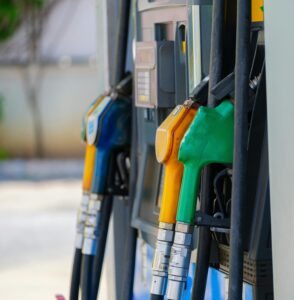
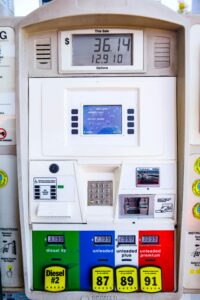
At the pump, standard on-road diesel is typically clear to pale yellow. Diesel fuel is a translucent, slightly oily liquid—never cloudy. Red or green coloring signals dyed, restricted-use fuel. If the fuel’s color seems unusual, stop, test, and verify before use.
Diesel Fuel Colors: Why Red, Green, and Clear Exist
Diesel fuel colors indicate taxation and permitted use, not performance. Clear or pale yellow marks taxed on-road fuel, red signals untaxed off-road fuel for construction, agriculture, or heating, and in some areas green denotes specific programs. Always make sure to purchase the correctly labeled product.