Where do planes store fuel depends on wings, center tanks, and sometimes extra tanks.
Is fuel stored in the wings of aircraft? It’s usually true for most modern airliners.
plane fuel tanks are managed as a system to keep balance and feed engines.
How much gas a plane can hold varies widely by aircraft size and route length.
Where do planes dump fuel applies to some aircraft and specific emergency cases.
Table of Contents
What Color Should Gasoline Be?
What Color Should Gasoline Be is an important question for drivers who want to ensure fuel quality and engine safety.
Typical Appearance
When it comes to gasoline, most drivers notice its fresh, clear nature in a container, often displaying a light yellow or even transparent hue. The color of gasoline can be slightly watery, with faint yellow coloration indicating a fuel’s fresh state. The refining process and additives play a significant role, as dyed fuels may introduce deep hues, but for car gasoline, the typical color generally indicates freshness and clean fuel. Checking regularly is important because color perception can sometimes skew, and taking the color as a guide helps ensure the car runs smoothly.
Monitoring and Maintenance
Drivers who want to take the color of gasoline seriously often use fuel testing kits or schedule maintenance to ensure the fuel’s fresh state remains intact. While usually, fresh, clear, or light yellow tones signify clean fuel, faint variations can occur due to additives or slight oxidation. Observing color perception and understanding its link to the refining process and dyed fuels allows car owners to check regularly and ensure their car runs efficiently without unexpected issues. Recognizing deep hues or unusual yellow coloration can alert drivers to replace fuel promptly to maintain optimal engine performance.
What Does Gasoline Look Like?
Observing car gasoline reveals its clear nature, which can adopt color based on the container and the environment. Exposure to natural sunlight or artificial light may make the fuel look darker or slightly cloudier, even though the pale yellow tone and transparency in a transparent glass best seen under proper lighting still indicate freshness. Plastic containers, especially if tinted, can skew color perception, making it harder to spot contamination. So, the flows of unleaded gasoline from the pump are often easier to judge for freshness.
When handling car gasoline, the clear nature combined with its pale yellow or slightly tinted hue in transparent glass allows drivers to quickly identify whether the fuel is fresh. Understanding how light, container type, and color adoption interact helps ensure that gasoline color remains a reliable indicator. Pump gasoline, when flowing freely, indicates freshness, and checking it in proper light makes it easier to avoid cloudier or darker fuel that could affect engine performance, maintaining confidence in unleaded gasoline quality.
Gasoline in a transparent container usually shows a clear and fresher typical color, often faint yellow or slightly yellow depending on additives, blending, and the presence of ethanol or detergents. Premium gasoline and unleaded gasoline can be lightly tinted, yet they still should be clear when properly handled. Fuel that has been poorly stored, exposed to air or moisture, or contaminated may appear cloudy, which contrasts with the added components in a form blend that normally maintain clarity in blends.
For drivers and fuel users, observing the clear nature and faint yellow hue in gasoline helps determine whether it is fresh and suitable for use. Blends that are lightly tinted or slightly yellow due to additives, ethanol, or detergents still indicate a typical color, but cloudy fuel signals contamination or degradation. Proper storage ensures unleaded gasoline, premium gasoline, and other blended fuels remain clear, maintaining engine efficiency and allowing the added protective components in the blends to perform as intended.
What Color Is Unleaded Gasoline?
Observing unleaded gasoline color in a transparent container, car gasoline usually appears clear or faintly yellow, reflecting its clear nature and watery liquid form. Regular gasoline that is properly maintained remains consistent and fresh, making easy identification possible. Additives, detergents, and blended dyes may be added to demarcate types, assist in fraud prevention, or support environmental monitoring, but they generally do not significantly alter the clear nature.
Observing slight changes in color helps check if the fuel is still suitable for car engines, ensuring engine performance and safety. A sudden change in color may indicate that unleaded gasoline has expired, become contaminated, or turned dangerous, which could harm the engine or the environment. Regularly checking car gasoline for its transparent, watery, and faintly yellow liquid appearance allows drivers to maintain fresh, consistent fuel. Using additives, detergents, or blended dyes not only helps demarcate fuel types but also ensures that car engines receive suitable fuel while protecting the environment from potential hazards.
What Color Is Premium Gasoline?
Both premium gasoline and regular gasoline typically share the same color, ranging from clear to pale yellow, making the appearance difference subtle and not identifiable visually. The color of gasoline is influenced by additives, standard detergents, and enhanced additives designed to boost engine protection, yet these do not affect the gasoline color significantly.
While octane rating varies—87-89 for standard vehicle engine use and 91-100 or above for high-performance engines—the feature of clear to pale yellow color remains consistent, allowing drivers to rely on gasoline color for general fuel usage rather than type identification. Despite variations in octane rating and enhanced additives, both premium gasoline and regular gasoline maintain the same color, making it difficult to spot differences through sight alone. The purpose of these additives is to boost engine protection, improve performance, and maintain the feature of clear to pale yellow color. For most drivers, recognizing gasoline color is more about checking for freshness and clarity rather than determining usage or octane rating, as the appearance difference does not reliably indicate fuel type.
What Color Should Gasoline Be?
Understanding gasoline color is key to keeping your engines running smoothly. Healthy, fresh, and fit-for-engine fuel usually appears clear or faintly yellow, and color changes can serve as an indicator of fuel condition. When gasoline appears cloudy or turns dark, it is often a sign of aging or contaminated fuel, meaning it is no longer suitable for engines. Recognizing abnormal unleaded gasoline color or dark premium gasoline color helps prevent poor combustion, reduce mileage loss, and avoid engine damage.
Regularly checked fuel allows drivers to monitor gasoline health and avoid bad gasoline from entering the engine. Observing clear or faintly yellow fuel and understanding color changes as an indication of contamination or aging is crucial. Recognizing these visual cues ensures the fuel remains fit for engines, maintaining performance and safety while preventing costly problems caused by dark or cloudy gasoline.
Is Gasoline Yellow?
Gasoline is typically clear, a transparent liquid with a slightly yellow coloration resulting from the refining process, additives, or blended components. Strong yellow shades or deep yellow color are usually dyed to demarcate specified uses and will not present in standard fuel. Observing a clear liquid helps indicate that the fuel is free from oxidizing, impurities, or contamination that could make it unsafe for the engine. When gasoline appears darker or shows unexpected deep yellow color, it is likely contaminated or oxidizing, signaling it is not fit for use. Paying attention to the clear liquid state and understanding the role of dyed, blended components ensures that the engine receives safe gasoline while avoiding damage caused by impurities or improper formulations
Need Reliable Jet Fuel Delivery For Your Operations?
If knowing where fuel is stored in a plane made you think about supply reliability, we can help. Get consistent jet fuel delivery with strong quality control for aviation operations and ground support needs.
What Color Should Gasoline Be is a common question among drivers concerned about fuel quality and engine safety.
In this guide, What Color Should Gasoline Be? 7 Important Facts, we explain why understanding gasoline color is essential for engine safety and proper fuel handling. Knowing the correct fuel appearance helps prevent costly fueling mistakes and storage issues.
In its purest form, gasoline is clear or faintly yellow, reflecting its natural state before refining processes, additives, or fuel byproducts are introduced. Whether it is unleaded gasoline, regular gasoline, or premium gasoline, the color often looks nearly identical despite small differences in formulation.
Artificial dyes may sometimes be added by regulators to distinguish untaxed fuel, aviation gasoline, or marine blends. However, most consumer gasoline remains clear or slightly yellow, aligning with global fuel color standards.
Observing this clear, faint yellow appearance helps drivers detect contamination or fuel degradation early. Although specialty fuels may vary due to dyes or additives, understanding normal gasoline color ensures safe handling, protects engine performance, and supports informed fuel use.
What Color Should A Gasoline Can Be?
In this guide, What Color Should Gasoline Be? 7 Important Facts, we explain why understanding gasoline color is essential for engine safety and proper fuel usage. Knowing the correct fuel appearance helps prevent costly mistakes during fueling and storage.
Gasoline—whether unleaded, regular, or premium—often appears similar, which makes recognizing normal fuel color important. Gasoline cans also follow strict color standards: red for gasoline, yellow for diesel, and blue for kerosene. These container colors help clearly differentiate fuels and prevent dangerous mix-ups.
By understanding proper fuel color guidelines and following safety standards, you can reduce the risk of contamination, engine damage, and storage hazards.
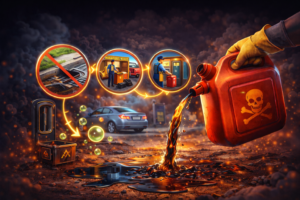
Bad gasoline can be identified by its color, which shifts from clear or slightly yellow coloration to orange, brown, or muddy tones, signaling that the car gasoline color has undergone changes indicative of moisture contamination, oxidation, or microbial growth. When fuel appears cloudy, shows sediment in gasoline, or becomes contaminated and rusty, turning opaque, it can lead to mechanical issues, hard starts, and serious damage to the engine, making it crucial to monitor gasoline for any deviations from its normal clear state.
What Color Is Gasoline Mixed With Oil?
When oil is added to gasoline, especially for two-stroke engines in motorcycles or chainsaws, the gasoline color changes noticeably depending on the oil type and the amount of mixing oil. This creates an oil-mixed fuel that can be bluish, smoky, or cloudy compared to unleaded gasoline color, clear premium gasoline color, or regular gasoline color. Observing the car gasoline color helps visually confirm proper blending and lubrication, while a cloudy, inconsistent color or mix looks inconsistent and indicates gasoline aging, contaminated fuel, or improper oil addition, which may damage equipment and reduce two-stroke performance and longevity. Understanding gasoline mixed with oil and recognizing a distinct gasoline fuel color ensures safe use for engines and maintains two-stroke engine efficiency.
Which Fuel Has A Dark Green Color?
The standard gasoline color for everyday cars, including unleaded gasoline and premium gasoline, is clear to pale yellow, and it never naturally turns green. So, recognizing the color of gasoline is essential for drivers to avoid misfuelling and ensure safe use. Specialty fuels, aviation blends, racing blends, and environmentally labeled products may display a deep green shade or other distinct appearances due to intentional dyes added for regulation, non-automotive applications, or marketplace differentiation, ensuring they are not confused with standard car gasoline color. Understanding gasoline fuel color protects equipment, helps identify specialized products, and highlights that typical everyday cars rely on clear, pale yellow fuel while dark green fuels are unique and reserved for specialized products or applications.
What Color Is Eco-Friendly Gasoline?
Eco-friendly fuels, including bio-blends and ethanol mixes, may differ slightly in gasoline color, but most unleaded gasoline and premium gasoline color remain clear or light yellow, ensuring the car gasoline color is familiar for everyday use while signaling purity and usability. Labeling and branding often highlight sustainability, and special dyes may be added to identify renewable blends during distribution and to comply with regulation, but the color of gasoline generally stays transparent so that gasoline fuel color monitoring can detect any cloudy or dark appearance that signals problems. Recognizing these subtle differences while purchasing eco-fuels or greener alternatives allows drivers to ensure the appearance and color of gasoline supports safe engine operation while reflecting environmentally conscious choices.
Special Gasoline Colors Explained
For specialty applications, distinct gasoline fuel color coding is crucial to distinguish fuels like aviation gas, racing fuels, or other specialty blends, which may appear purple, blue, green, orange, or other unique shades. Meanwhile, unleaded gasoline, premium gasoline, and regular gasoline colors for everyday vehicles remain clear or pale yellow, providing a consistent everyday car gasoline color that meets standardization requirements and prevents dangerous mix-ups. Regulations worldwide often dictate these specialized hues for niche markets and different fuel applications, ensuring versatile use across industries while maintaining clarity in the color of gasoline for everyday vehicles and specialty applications, allowing drivers and operators to safely identify fuels and maintain proper operation of engines.
100 octane gasoline color is generally clear or faintly yellow, and while it may differ slightly from premium gasoline color or unleaded gasoline color, its similar appearance to other grades shows that octane rating affects performance but not appearance. In aviation, racing, or high-octane blends, dyes may introduce blue, green, or purple hues, intentionally modified for labeling, industry standards, and reliable identification. However, the color of gasoline rarely undergoes a dramatic change, allowing drivers to confirm fuel clarity and ensure high-performance fuel is fit for use in engines. Monitoring gasoline fuel color also helps spot degraded fuel, supporting safe operation and preserving 100-octane car gasoline color consistency across applications.
Is Gas Blue?
The standard gasoline color for everyday vehicles, including unleaded gasoline color and premium gasoline color, is clear to pale yellow, and it never appears blue. If gasoline at normal pumps looks blue, it may indicate contamination or improper handling. Specialty fuels, such as marine gas or aviation gas, often look blue due to blue dye used for differentiation, specific regulatory or environmental purposes, and to prevent confusion between different fuel types. These dyes protect equipment and avoid harmful mistakes from improper use. Following industry rules and monitoring the color of gasoline ensures gasoline fuel color remains a reliable guide for safety, while recognizing specialty hues helps operators distinguish fuels not meant for standard cars.
What Color Is Your Gasoline?
The color of gasoline is an important visual cue for anyone using fuel, as clear or faint yellow coloration in transparent gasoline indicates it is fresh, suitable for use in a vehicle, and will not harm the engine. Fuel that appears darker or cloudy is a strong indication of gasoline aging or contaminated fuel, which can tell you it is no longer good quality. Using it may damage the engine, potentially leading to heavy expenses and costly repairs. It is important to regularly check the gasoline’s color to ensure the fuel remains suitable and your engine continues to run efficiently without risk of harm.