I’ve often wondered about the difference between petrol and gasoline, a common confusion that sparks discussions among drivers debating “gas vs petrol” or “gas vs gasoline.”
To put it simply, both are standard motor fuels for spark-ignition engines and are essentially the same product.
Minor variations may exist due to language, local grading systems, or regulations, but the fuel itself remains fundamentally identical.
This guide explains whether petrol is the same as gasoline, explores the history and refining process behind the terms, and confirms that in nearly every practical situation, the answer is yes.
Is Petrol the Same as Gasoline?
For the average driver, the short answer is absolutely yes. Standing at the pump, the terms point to the essential motor fuel that powers spark-ignition engines. I’ve driven rentals across borders and filled up without a second thought because petrol, gasoline, and gasoline-petrol are the same product—a refined blend of hydrocarbons with additives, sold in different grades defined by octane rating—regular, mid-grade, and premium.
The main distinction isn’t chemistry but regional language. In North America—the United States and Canada—drivers say fuel, gasoline, or gas, while in the United Kingdom, Europe, Africa, Asia, and Oceania use the standard term petrol. From years of wrenching and road trips, I’ve learned that asking whether gasoline is the same as petrol or gasoline the same as petrol earns a resounding yes, because the nozzle delivers the same energy-dense liquid regardless of what the sign calls it.
That said, location can bring small variations—brands tweak detergents, ethanol content, or octane to meet minor local needs—but there’s no fundamental difference between petrol and gasoline for practical purposes in a modern car. I’ve tuned engines on both labels and they run the same, which is why the answer remains yes, whether the forecourt reads petrol or gas.
When looking at the aspect of fuel, the term petrol is used in one region while gasoline dominates another, but their use is identical, powering vehicles the same way. Across main regions, drivers in the UK, Commonwealth, many EU, and African states fill up with petrol, whereas in the US, Canada, and some Latin American markets, it’s labeled gasoline. A typical pump label may show “unleaded,” “petrol,” “premium,” or “petrol” in one place and “regular,” “gasoline,” “unleaded,” or “gasoline” elsewhere, yet engines run the same.
In everyday speech, people say, “I need to buy petrol today,” or, “I need to buy gas today.” From personal experience, despite regional wording, it’s the same fuel with only different names.
Gas Vs Petrol?
When it comes to cars, gas and petrol are actually the same thing—just different names depending on where you are. In North America, people say gas or gasoline, while in the UK, Europe, and many other regions, the same fuel is called petrol. Both are liquid fuels for spark-ignition engines, delivering identical energy and performance.
The only source of confusion is that gas can also mean gaseous fuels like CNG or LPG, but for everyday driving, gas/gasoline and petrol always refer to the same liquid fuel. So, in the battle of Gas Vs Petrol, it’s really just a matter of words, not a difference in fuel.
Gas, Petrol, or Diesel: What’s the Difference?
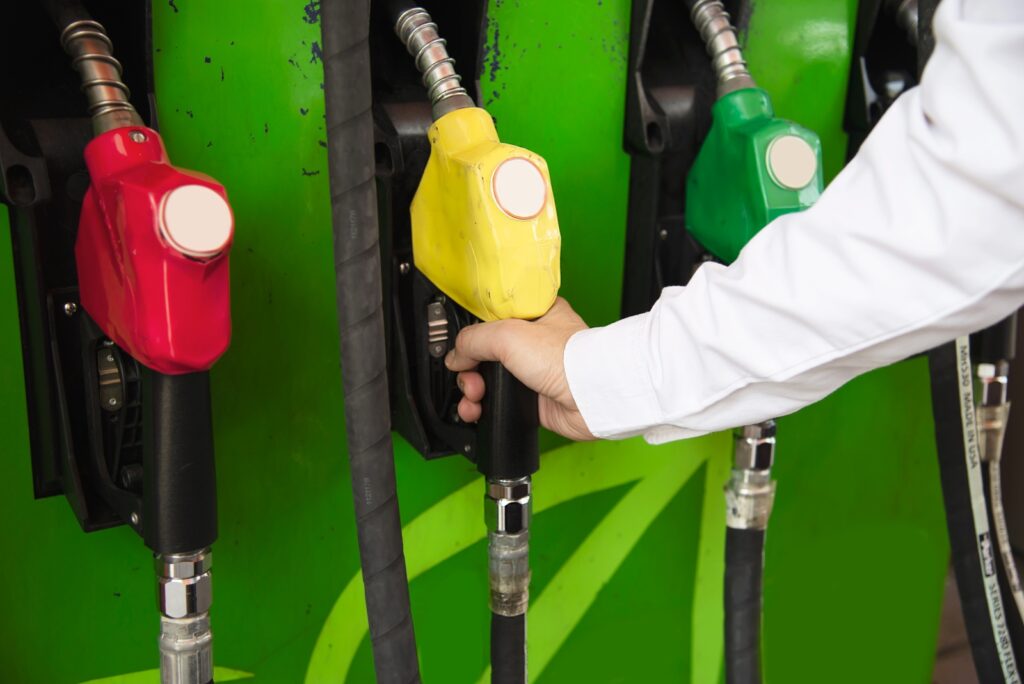
Gas (or gasoline) and petrol are the same liquid fuel—just called differently in different regions. Diesel, however, is a completely different type of fuel designed for diesel engines. They are not interchangeable: using diesel in a petrol/gas engine or petrol in a diesel engine can severely damage your car. Always check your fuel flap, dashboard label, or owner’s manual to ensure you’re filling with the correct fuel.
What Is Petrol?
Many people ask, “What Is Petrol?” At its core, petrol is a refined, volatile liquid derived from crude oil, often referred to as petrol gasoline or simply petrol fuel type. Designed for spark ignition engines, refiners create a blend of hydrocarbon components that balances performance, volatility, and emissions.
The Petrol fuel is an intricate, balanced mixture that allows a car to start reliably in varying weather conditions and helps prevent knocking in modern systems. Essentially, it is the standard liquid road fuel for cars, and the label on the pump confirms it is suitable for a spark ignition engine in your vehicle.
Whether you’re filling up a modern system car or an older model, the new fuel types still rely on the same petrol fuel principles. Understanding the blend, hydrocarbon components, and performance properties ensures your vehicle runs smoothly and efficiently. From personal experience, observing the label, knowing your spark ignition engine, and recognizing that petrol gasoline is the same standard liquid road fuel across borders makes fueling straightforward, reliable, and safe.
What Does Petrol Mean?

Pertrol is a type of liquid fuel derived from crude oil, used to power spark-ignition engines in cars. In some countries, it’s also called gasoline, but both terms refer to the same motor fuel. Essentially, petrol means the standard road fuel that allows vehicles to run efficiently and reliably.
How Did Gasoline Get Its Name?
The word “Gasoline” comes from the combination of “gas”, referring to its volatile nature, and the suffix “-oline”, used in chemical trade names in the 19th century. Early refiners created the term to distinguish it from other petroleum products like kerosene or gas oil. Over time, gasoline became the standard name in North America for the liquid fuel used in spark-ignition engines, while in other countries it’s often called petrol.
When Was Gasoline Invented?
Many people have stopped to ask, “When Was Gasoline Invented?” or “What year was gasoline invented?” The answer is that gasoline didn’t appear as a sudden invention but emerged as a byproduct of crude oil refining in the 1800s, originally considered unwanted residue from kerosene production. Its rise coincided with the internal combustion engine and the growing demand for a lighter oil fraction in Europe and North America during the mid-19th century and late 19th century. The timeline shows how gasoline is intrinsically linked to early engines and has remained essential fuel for modern vehicles, proving that gasoline and petrol are simply different names for the same essential fuel.
Who Discovered Gasoline?
Gasoline was not invented by a single person. It emerged in the 19th century as a byproduct of crude oil refining, with contributions from early chemists and petroleum refiners who experimented with hydrocarbons. While no single “discoverer” exists, innovators like Abraham Gesner and Benjamin Silliman Jr. played key roles in developing methods to refine petroleum products, paving the way for gasoline to become the essential fuel for engines.
Is Gasoline Petroleum?
Drivers frequently wonder whether gasoline and petroleum are the same, or what exactly petroleum gasoline means. In reality, petroleum is the crude raw material from which gasoline is extracted, sent to a refinery, and processed into a precisely blended, finished fuel. Petroleum, as crude oil, is a liquid, distinct from questions like “is petroleum a gas?” or “is petroleum gas?” Understanding gasoline vs petroleum or petroleum vs gasoline involves following the fuel chain: crude oil production is considered upstream, while creating the refined product, often called petroleum gasoline or a gasoline and fuel mix, happens downstream.
This perspective shows that while the names differ, the product powering modern engines is consistent across borders.