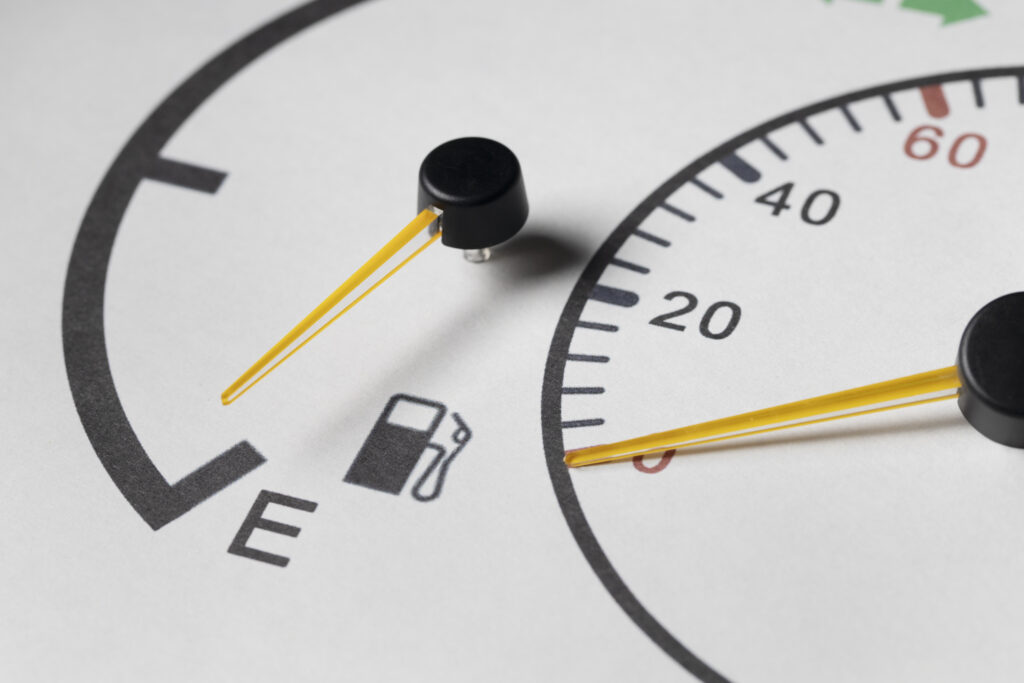
A failing fuel pump can cause significant performance issues in your vehicle, including engine sputtering, difficulty starting, and sudden loss of power. It's essential to recognize the signs early to prevent further damage and costly repairs. If you notice any hesitation, jerky acceleration, or strange noises, it's time to inspect the fuel pump before it leads to a complete breakdown.
Failing Fuel Pump? Signs Drivers Ignore
A failing fuel pump can quietly reduce your car’s performance before causing a complete breakdown. Common early signs include hesitation, sputtering, and difficulty starting the engine. Ignoring these symptoms may lead to sudden stalling or loss of power while driving. Simple diagnostic checks like fuel pressure testing can confirm the issue early. Timely replacement prevents costly repairs and keeps you safe on the road.
Engine sputtering at high speeds is an early warning sign of low fuel pressure.
Loss of power during acceleration often indicates weak fuel delivery.
Extended cranking or hard starting suggests pressure loss in the system.
Sudden stalling can occur if the pump fails completely.
Early diagnosis and repair help avoid breakdowns and expensive engine damage.
Table of Contents
Signs of a Failing Fuel Pump
It’s beneficial to recognize early symbols of a bad fuel pump, as even a weak unit can reduce stress, save money, and keep driving safe. You might easily consider a list of signs: engine sputters at high speed, loss of power while accelerating or carrying a load, difficult starting, extended cranking time, stalling while driving or parking, jerky acceleration, unexpected surging, or a drop in efficiency. A noisier, poor, or inconsistent pump over long distances, if ignored, can worse, transforming a little repair into a full blown car breakdown. When noticed, the aforementioned issues, like those in Elan Fuels, can help fully diagnose the exact issue, allowing you to book today and prevent future, costly damage.
5 Key Symptoms of a Bad Fuel Pump
Why Your Engine Sputters at High Speeds
One of the first noticeable issues is engine sputtering at high speeds, a clear sign of a bad fuel pump. In my experience, when the hands on the wheel feel the car misfiring or the engine struggles to deliver consistent pressure, it becomes difficult to accelerate or ascend hills. These classic failing symptoms show that the fuel pump is underperforming and needs prompt attention before other engine components are affected.
Why Your Engine Loses Power Under Load
A common sign to notice is when your car feels sluggish while climbing a hill, towing, or accelerating, as it may lose power because the pump cannot deliver enough fuel to meet engine demands adequately. This strong, bad symptom indicates that the fuel pump is failing and requires immediate attention to prevent further engine issues.
Difficulty Starting or Extended Cranking? Causes & Fixes
A key symptom of a bad fuel pump is when the health of the engine starts to begin taking longer to start after resting overnight. This happens because the pump can no longer deliver enough pressure, and if overlooked, this shows the early signs of failure, indicating that immediate inspection or repair is needed.
Why Your Car Suddenly Stalls on the Road
A major Failing Fuel Pump failure symptom occurs when your car stops suddenly while driving or comes to a halt at a stoplight. When this happens, it must be urgently addressed, as ignoring it leads to devastating consequences for both your vehicle and safety.
Why Your Car Surges or Jerks During Acceleration
You may notice sudden jerks forward or surges when you try to accelerate, a clear sign that fuel delivery is inconsistent—a major pump issue. These leading symptoms of a bad, failing fuel pump can start as subtle glitches during your drive on hot days or while trying to ascend a hill for long distances. Once pronounced, they become much easier to detect.
Fuel Pump Trouble? Early Signs Drivers Miss
As earlier mentioned, fuel pump problems don’t begin suddenly; they start with dibble signs that are barely noticeable, like momentary hesitation when you accelerate or an engine that takes longer to start. Many drivers experience fluctuating idle rotations or RPM, and it’s doubtful they notice right away unless spending attention to alerts on the dashboard. Relating these symptoms, it’s wise to write them down; bad days of noticing weak performance are usually the first step in avoiding bigger, costly issues in the future.
Fuel Pump Checks You Can Do at Home
Overlooking bad fuel pump signals is common, but simple checks at home can help catch issues early. Listen with the ignition on before starting the engine; you should expect to hear a whirring or humming from the rear tank—don’t ignore anything, as it could possibly be a sign of a dead pump. You can tap gently or get assistance from someone, then check pressure using a buyable gauge that permits attaching to the rail and compare readings to specs provided by the manufacturer. Low pressure indicates issues such as a blocked filter, blown fuses, faulty relays, or damaged, faulty components. The same failure can be diagnosed by assuming and conducting best DIY tests before a long drive, reacting to hesitations, especially in cold below temperatures. Proper tools help you use this method safely.
A Fuel Pressure Gauge measures the line by connecting to a Schrader valve on the rail, showing whether the engine runs and confirms the pump delivers the correct pressure, typically 40–60 PSI. A Multimeter tests voltage, electrical continuity, and DC volts by probeing the connector with ignition on, verifies power supply to circuits. An OBD2 Scanner reads diagnostic trouble codes (DTCs) when plugged into the port on the dashboard, detecting misfires or malfunctions. A Fuel Pump Relay Tester checks relay function by inserting into a socket, using pins and jumper wires to sending signals. A Noid Light tests injector pulse signals in the harness, blinks while cranking, ensuring the ECU sees absence or presence to indicate an issue. Jumper Wire or Fuse tap can bypass switches manually in the box across terminals, determines if the pump runs directly. Finally, a Mechanic’s Stethoscope listens to operation in place with key on, helps making sound checks when starting up.
Need Reliable Jet Fuel Delivery For Your Operations?
If knowing where fuel is stored in a plane made you think about supply reliability, we can help. Get consistent jet fuel delivery with strong quality control for aviation operations and ground support needs.
When the Failing Fuel Pump struggles to supply the right amount of fuel, your engine may start misfiring, leading to rough driving and uneven performance.
I once had a car where a failing pump caused frequent misfiring; catching it early saved me from bigger repairs.
Drop in Fuel Efficiency
A Failing Fuel Pump can significantlydrop your car’s efficiency, making you spend more fuel than usual.
Watching my fuellevels decrease faster than normal was the first sign I needed an inspection.
Car Breaks Down Completely
Ignoring symptoms can expose you to dangerous situations, like the car breaking down in traffic or remote areas.
Always make sure to pull over safely and turn off the engine at the first sign of trouble.
Strange Noises from Pump
Whining or humming from under the car may indicate improper fuel mixtures caused by a failing system, which can eventually damage catalytic converters.
I learned the hard way: taking steps early prevented a costly catalytic converterrepair.
Difficulty Starting Car
If your car struggles to start or doesn’t turn on at all, the possibility of a bad fuel pump is high.
Scheduling a quick inspection and calling a mechanic saved me spending a fortune on replacement parts.
Fluctuating Fuel Levels
Erratic fuellevels on your dashboard often indicate the system is failing, which can increase the possibility of accidents.
I always make sure to monitor levels and take steps to protect myself and my car.
Limited-Time Service Alerts
Some vehicles alert you for limited-time service to avoid major repairs, sometimes offering a discount for early inspection.
Taking advantage of these alerts can save you repairs and protect your engine.
Spending Too Much on Fuel
A bad pump forces the engine to run inefficiently, spending extra fuel, which significantly increases your costs.
I noticed I was spending more than usual; a mechanic confirmed the pump was bad, preventing further damage.
Steps to Stay Safe & Protect Your Car:
Make sure to turn off the engine if you suspect pump issues.
Pull over safely and call a mechanic.
Avoid running the car in dangerous situations.
Schedule inspections and take steps early.
Save on repairs by taking advantage of limited-time service discounts.
Driving With a Bad Fuel Pump: What Happens
A Failing Fuel Pump problem can turn a routine drive from garage to road into a series of challenges, as it may lead to hesitation, surging, or engine sputtering on the highway, causing your car to lose power in traffic. The unpleasant, jerky, stop-and-go response in various environments is a common experience of failure. Early signs often begin when cruising, struggling to pick pace, or start moving in tricky situations. It’s advisable to gently pull over and call for help rather than insist on driving further, which can cause badly damage to your vehicle.
Bad Fuel Pump? How to Know if It Throws a Code
When driving, Failing Fuel Pump issues can be a nightmare, especially when they go unnoticed. The fuel pump is crucial for getting fuel from the tank to the engine, and when it starts to fail, several symptoms can emerge. It’s common for a bad fuel pump to trigger the check engine light, signaling potential problems. If you’ve noticed unusual sounds coming from your vehicle or a sudden loss of power, it’s important to check for codes using an OBD-II scanner. You might see codes like P0230, P0231, or P0232, which point directly to fuel pump problems. Similarly, P0087 and P0088 can indicate fuel pressure issues linked to a malfunctioning fuel pump. Some recent vehicles might not be equipped to detect or properly report these issues through the OBD-II system, making it even harder to pinpoint the fuel pump problem. Ignoring these symptoms or waiting too long could lead to further complications, so it’s always better to check engine light codes early on before the fuel pump issue worsens. From my experience, I’ve seen how these fuel pump issues can escalate, and getting on top of them early saves both time and money.
Is Your Fuel Pump Weak or About to Fail?
When dealing with Failing Fuel Pump issues, it’s crucial to understand that a weak fuel pump doesn’t usually cause a total failure immediately. Instead, you might experience signs of low pressure, like hesitation in your vehicle when accelerating or when the car tries to start. You might notice that it takes longer to start than usual, and your vehicle might even hesitate during normal driving, especially when accelerating or driving uphill. These early signs of fuel pump weakness can be hard to pinpoint, but don’t ignore them. I’ve seen many cases where a failing fuel pump was the culprit behind such symptoms, often leading to severe issues down the line if not addressed. If you ever get the feeling that your car hesitates or struggles to keep up with speed, it’s a good idea to test the fuel pump to confirm the issue. Don’t wait for it to fail completely; sometimes, the car will still run, but it won’t perform at its best, and the fuel pump could eventually fail. If you’re seeing consistent hesitation or low fuel pressure, replacing the fuel pump early is the best option to prevent further damage. It might be a small repair now, but ignoring it can cause a bigger problem later.
Frequently Asked Questions About Where Fuel Is Stored in a Plane
The most frequent signs of a failing fuel pump include engine sputtering, difficulty starting, unexpected loss of power, and in severe cases, the engine refusing to start altogether.
Watch for common fuel pump warning signs in your vehicle, such as engine hesitation, sudden power drops, extended cranking when starting, and unusual noises coming from the fuel tank.
If your car is hesitating, surging, or stalling, it could be a bad fuel pump. Observe how it drives and listen for unusual sounds from the tank; a strange ear catch can indicate trouble.
Check ignition response, fuel pressure at the rail, and inspect electrical connections for corrosion, blown fuses, or damaged relays. Using a multimeter and OBD-II scanner to read codes helps diagnose the problem accurately.
Following a step-by-step approach makes it clear whether the pump failure is real. Once confirmed, it’s necessary to replace the bad fuel pump to avoid further issues.