4 Gas Types Explained: Regular, Mid-Grade, Premium & Diesel Fuel Guide

4 Gas Types Explained: Regular, Mid-Grade, Premium & Diesel Fuel Guide

Choosing the right fuel is essential for engine performance, efficiency, and long-term reliability.
This guide explains the four main fuel types found at the pump and how octane ratings affect your car.
It also covers ethanol blends like E10, E15, and E85 used in flex-fuel vehicles.
You’ll learn the risks of misfueling and why diesel and gasoline are never interchangeable.
Perfect for drivers who want to protect their engine and avoid unnecessary fuel costs.

Key Takeaways

  • Regular 87 octane is suitable for most standard gasoline vehicles.

  • Premium fuel is only necessary for engines designed for higher compression.

  • Diesel engines use a completely different ignition system and fuel type.

  • Ethanol blends like E85 require flex-fuel compatible vehicles.

  • Using the wrong fuel can cause severe engine damage and expensive repairs.

Table of Contents

Many drivers often wonder about the different-types of gasoline and diesel available at pumps, and how to choose the right fuel for their vehicle. This article explores common-fuel-types like regular, mid-grade, premium, and diesel, as well as specialized-options such as E15, E85, and flex-fuel-vehicles, providing guidance to safely match the correct-fuel to engine-needs while ensuring compliance with vehicle-warranty requirements.

The 4 Gas Types Every Driver Should Know

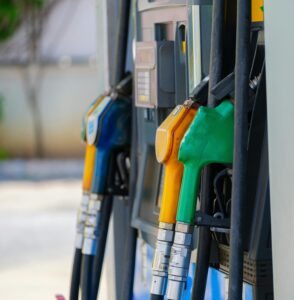
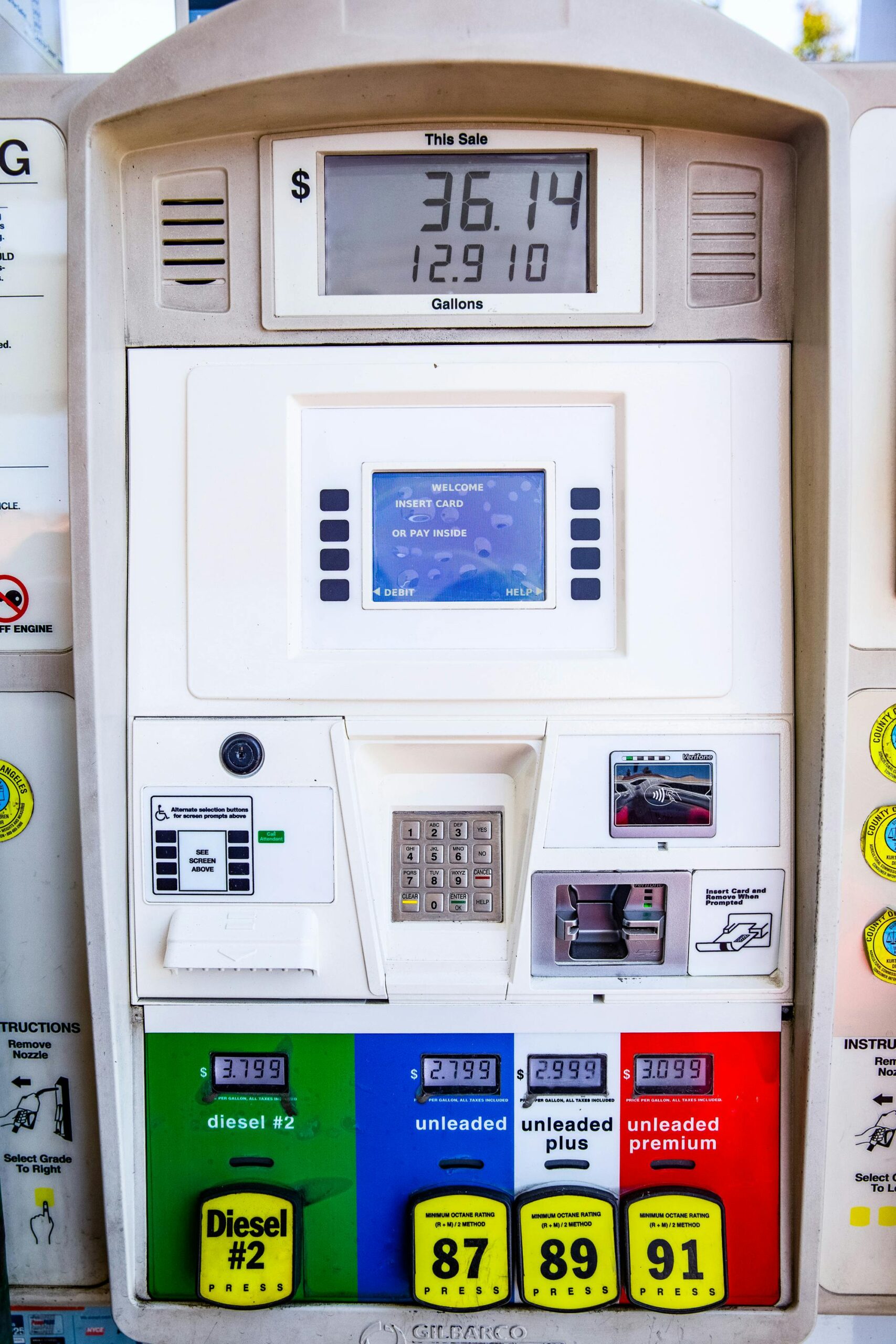
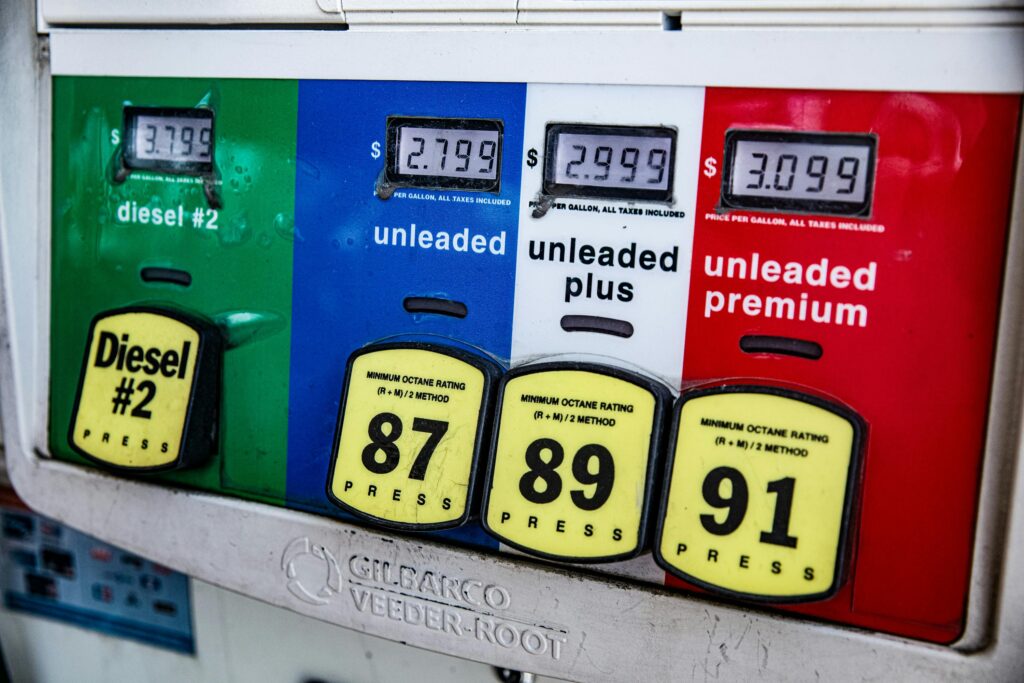
At service-stations, drivers encounter Regular 87-octane, mid-grade 89-90, and premium 91-93 gasoline-grades, with octane indicating resistance to knock under combustion pressure, and labels, names, and brand often guiding choice for everyday-vehicles. Diesel is dispensed separately for diesel-engines using compression-ignition, while gasoline-engines rely on spark-ignition, making mixing-fuels a serious risk that can cause engine-damage, increased-costs, and misfueling, so understanding the difference safeguards both the engine and the wallet.
gas types-

Which Gas Should You Put in Your Car?

When checking your fuel-door or consulting the owner-manual, it’s crucial to match the minimum-octane stated for your vehicle, often indicated by badges or FlexFuel markings with yellow-caps for ethanol-blends. The main gas types include regular-gasoline, mid-grade, premium, and FlexFuel options, all allowed in normal-gasoline-cars depending on required engine performance. If unsure, it’s best to ask a qualified-technician rather than guessing, to protect your warranty and key components from potential damage.

Car Fuel Guide: Different Types of Gas Explained

At the pump, drivers will encounter several gasoline-grades including regular, mid-grade, and premium, along with ethanol-blends such as E10, E15, and E85, which are designed for flex-fuel-vehicles depending on regions and manufacturer-recommendation. Beyond gasoline, diesel serves heavy-duty-use in engines designed for combustion and emissions-systems in fleets, while natural-gas comes in compressed or liquefied forms for dedicated-vehicles, highlighting that each fuel-type or fuel-family has a specific fuel-grade and octane tailored for the engines they are designed to work with.

Car Fuel Guide: Does Gas Type Really Matter?

Using the wrong-type of gasoline or diesel in your vehicle can seriously affect performance and reliability, as putting diesel-in-gasoline-car may cause stalling, costly-repairs, and damage to engines not designed for that fuel-type. Vehicles require minimum-octane levels indicated on the label or manual, with lower-octane fuels risking knock and reduced-efficiency, while higher-octane fuels may be needed for power and proper-operation in premium engines, making inspection, careful fuelling, and avoiding misfueling essential to protect longevity, restore efficiency, and prevent fuel-related issues.

Car Fuel Guide: Choosing the Right Gas for Your Vehicle

When filling a vehicle, always check the owner’s-manual, fuel-door, and label to confirm the minimum-octane required for your gasoline-cars or diesel-engines, as vehicle-badges and yellow-fuel-cap indicators like FlexFuel or E85 help identify permitted fuels. If unsure, consult a trusted-technician rather than guessing at the pump, because modern-gasoline-cars manufactured-2001-onwards can safely use E15, while older-small-engines, boats, or improvised-conversions may need ethanol-free-gasoline. Storage, natural-gas, dedicated-systems, and local-labels with different names or octane-numbers serve as a guiding-factor for safe fuel use and to avoid engine issues.

Flex Fuel Explained: What It Is and How It Works

Modern Flex-fuels and Flex-fuel-vehicles are designed to handle high-ethanol-blends like E85, which contains 51-83%-ethanol, and depending on season and region, the vehicle’s sensors and controls adjust fueling and ignition for different-blends. These cars often feature a badge or yellow-cap to distinguish them from traditional-gasoline, which has higher energy-density and energy-content but may offer lower fuel-economy per-litre. Engines built for Flex-fuels balance cold-starting-behavior, octane, and fuel-economy, while helping to reduce certain-emissions from the tailpipe without compromising performance.

Flex Fuel Vehicles: Which Gas Can You Use?

A Flex-fuel-vehicle can run on regular-gasoline or ethanol-blends like E10, E15, and E85, with the system automatically adjusting the blend depending on range, cold-weather, and higher-ethanol content. Drivers should follow local-guidance, check the manual, and pay attention to regional-notes or service-tips, especially during long-trips, to ensure the vehicle operates efficiently and safely.

Flex Fuel Octane: What You Need to Know

Using E85 in flex-engines offers high-octane 100 octane power, which can benefit a tuned engine by providing improved knock-resistance, though the energy-content is lower than regular-gasoline, resulting in lower-mileage per-litre despite the potential power use.

E85 vs E15: Key Differences Explained

Gas TypeEthanol-ContentOctaneKey Notes
E8551-85%very-high-octane, near-100Used in flex-vehicles, high-octane, above regular, slightly-higher than regular-E10, does-not-equal more power, fuel-economy lower, energy-density near-regular, plan fuel-stops for long-trips, follow labels, rules, marked, flex, yellow-cap, helps, approved, models, year-2001, always read pump-label, follow posted notices and local-rules, expect range-change
E1010.5-15%slightly-higherCommon in engines designed for regular use, octane slightly higher than regular, check local-rules for seasonal adjustments
Regular Gasoline0%87Standard fuel, good fuel-economy, widely available, engines designed for normal use
Mid/High-Premium0%89-93For engines requiring higher-octane, improves performance, prevents knock, manufacturer-recommended

In practice, E85 offers very-high-octane power for flex-vehicles, but does-not-equal more power in every case due to lower energy-density; careful planning, reading labels, and following posted notices and local-rules ensures engines operate safely across season and region, while fuel-stops are managed for long-trips.

Ethanol-Free Gas: What It Is and Why It Matters

For owners of classic-vehicles, marine-engines, or small-tools, ethanol-free gasoline—with no-ethanol content—remains a preferred choice because it offers superior storage-stability and helps avoid potential-issues in older-fuel-systems, such as phase-separation or varnish-formation. Depending on region, availability and price of local-regular-gasoline may be higher, but modern-cars designed for E10 or E15 blends usually do not-require ethanol-free fuel, so it’s important to follow the manual and approved allowed-fuels. For seasonal-storage, carbureted-equipment, and careful long-term ownership, using ethanol-free-blends with stabilizers reduces risk, preserves fuel integrity, and maintains safe, reliable operation across different options.

Octane Rating: What It Means for Your Car

Understanding Octane-rating is key when choosing gasoline because it measures knock-resistance, meaning higher octane resists knock better and helps engines designed for higher-compression or turbocharging operate smoothly. Standard regular at eighty-seven, mid-grade at eighty-nine, and premium from ninety-one upward are the common octane-numbers posted at pumps on yellow-labels, making it clear which is a clear-choice. However, higher does-not always equal better engine performance if the vehicle is designed for regular-gasoline, and using premium often brings little-benefit. Always follow the minimum-octane listed by the manufacturer to protect efficiency, components, control fuel-costs, and ensure smooth operation over time.

Need Reliable Jet Fuel Delivery For Your Operations?

If knowing where fuel is stored in a plane made you think about supply reliability, we can help. Get consistent jet fuel delivery with strong quality control for aviation operations and ground support needs.

Many drivers often wonder about the different-types of gasoline and diesel available at pumps, and how to choose the right fuel for their vehicle. This article explores common-fuel-types like regular, mid-grade, premium, and diesel, as well as specialized-options such as E15, E85, and flex-fuel-vehicles, providing guidance to safely match the correct-fuel to engine-needs while ensuring compliance with vehicle-warranty requirements.


The 4 Gas Types Every Driver Should Know

At service-stations, drivers encounter Regular 87-octane, mid-grade 89-90, and premium 91-93 gasoline-grades, with octane indicating resistance to knock under combustion pressure, and labels, names, and brand often guiding choice for everyday-vehicles. Diesel is dispensed separately for diesel-engines using compression-ignition, while gasoline-engines rely on spark-ignition, making mixing-fuels a serious risk that can cause engine-damage, increased-costs, and misfueling, so understanding the difference safeguards both the engine and the wallet.


Which Gas Should You Put in Your Car?

When checking your fuel-door or consulting the owner-manual, it’s crucial to match the minimum-octane stated for your vehicle, often indicated by badges or FlexFuel markings with yellow-caps for ethanol-blends. The main gas types include regular-gasoline, mid-grade, premium, and FlexFuel options, all allowed in normal-gasoline-cars depending on required engine performance. If unsure, it’s best to ask a qualified-technician rather than guessing, to protect your warranty and key components from potential damage.


Car Fuel Guide: Different Types of Gas Explained

At the pump, drivers will encounter several gasoline-grades including regular, mid-grade, and premium, along with ethanol-blends such as E10, E15, and E85, which are designed for flex-fuel-vehicles depending on regions and manufacturer-recommendation. Beyond gasoline, diesel serves heavy-duty-use in engines designed for combustion and emissions-systems in fleets, while natural-gas comes in compressed or liquefied forms for dedicated-vehicles, highlighting that each fuel-type or fuel-family has a specific fuel-grade and octane tailored for the engines they are designed to work with.


Car Fuel Guide: Does Gas Type Really Matter?

Using the wrong-type of gasoline or diesel in your vehicle can seriously affect performance and reliability, as putting diesel-in-gasoline-car may cause stalling, costly-repairs, and damage to engines not designed for that fuel-type. Vehicles require minimum-octane levels indicated on the label or manual, with lower-octane fuels risking knock and reduced-efficiency, while higher-octane fuels may be needed for power and proper-operation in premium engines, making inspection, careful fuelling, and avoiding misfueling essential to protect longevity, restore efficiency, and prevent fuel-related issues.


Car Fuel Guide: Choosing the Right Gas for Your Vehicle

When filling a vehicle, always check the owner’s-manual, fuel-door, and label to confirm the minimum-octane required for your gasoline-cars or diesel-engines, as vehicle-badges and yellow-fuel-cap indicators like FlexFuel or E85 help identify permitted fuels. If unsure, consult a trusted-technician rather than guessing at the pump, because modern-gasoline-cars manufactured-2001-onwards can safely use E15, while older-small-engines, boats, or improvised-conversions may need ethanol-free-gasoline. Storage, natural-gas, dedicated-systems, and local-labels with different names or octane-numbers serve as a guiding-factor for safe fuel use and to avoid engine issues.


Flex Fuel Explained: What It Is and How It Works

Modern Flex-fuels and Flex-fuel-vehicles are designed to handle high-ethanol-blends like E85, which contains 51-83%-ethanol, and depending on season and region, the vehicle’s sensors and controls adjust fueling and ignition for different-blends. These cars often feature a badge or yellow-cap to distinguish them from traditional-gasoline, which has higher energy-density and energy-content but may offer lower fuel-economy per-litre. Engines built for Flex-fuels balance cold-starting-behavior, octane, and fuel-economy, while helping to reduce certain-emissions from the tailpipe without compromising performance.


Flex Fuel Vehicles: Which Gas Can You Use?

A Flex-fuel-vehicle can run on regular-gasoline or ethanol-blends like E10, E15, and E85, with the system automatically adjusting the blend depending on range, cold-weather, and higher-ethanol content. Drivers should follow local-guidance, check the manual, and pay attention to regional-notes or service-tips, especially during long-trips, to ensure the vehicle operates efficiently and safely.


Flex Fuel Octane: What You Need to Know

Using E85 in flex-engines offers high-octane 100 octane power, which can benefit a tuned engine by providing improved knock-resistance, though the energy-content is lower than regular-gasoline, resulting in lower-mileage per-litre despite the potential power use.


E85 vs E15: Key Differences Explained

Gas Type Ethanol-Content Octane Key Notes
E85 51-85% very-high-octane, near-100 Used in flex-vehicles, high-octane, above regular, slightly-higher than regular-E10, does-not-equal more power, fuel-economy lower, energy-density near-regular, plan fuel-stops for long-trips, follow labels, rules, marked, flex, yellow-cap, helps, approved, models, year-2001, always read pump-label, follow posted notices and local-rules, expect range-change
E10 10.5-15% slightly-higher Common in engines designed for regular use, octane slightly higher than regular, check local-rules for seasonal adjustments
Regular Gasoline 0% 87 Standard fuel, good fuel-economy, widely available, engines designed for normal use
Mid/High-Premium 0% 89-93 For engines requiring higher-octane, improves performance, prevents knock, manufacturer-recommended

In practice, E85 offers very-high-octane power for flex-vehicles, but does-not-equal more power in every case due to lower energy-density; careful planning, reading labels, and following posted notices and local-rules ensures engines operate safely across season and region, while fuel-stops are managed for long-trips.


Ethanol-Free Gas: What It Is and Why It Matters

For owners of classic-vehicles, marine-engines, or small-tools, ethanol-free gasoline—with no-ethanol content—remains a preferred choice because it offers superior storage-stability and helps avoid potential-issues in older-fuel-systems, such as phase-separation or varnish-formation. Depending on region, availability and price of local-regular-gasoline may be higher, but modern-cars designed for E10 or E15 blends usually do not-require ethanol-free fuel, so it’s important to follow the manual and approved allowed-fuels. For seasonal-storage, carbureted-equipment, and careful long-term ownership, using ethanol-free-blends with stabilizers reduces risk, preserves fuel integrity, and maintains safe, reliable operation across different options.


Octane Rating: What It Means for Your Car

Understanding Octane-rating is key when choosing gasoline because it measures knock-resistance, meaning higher octane resists knock better and helps engines designed for higher-compression or turbocharging operate smoothly. Standard regular at eighty-seven, mid-grade at eighty-nine, and premium from ninety-one upward are the common octane-numbers posted at pumps on yellow-labels, making it clear which is a clear-choice. However, higher does-not always equal better engine performance if the vehicle is designed for regular-gasoline, and using premium often brings little-benefit. Always follow the minimum-octane listed by the manufacturer to protect efficiency, components, control fuel-costs, and ensure smooth operation over time.
Frequently Asked Questions About Where Fuel Is Stored in a Plane