
Diesel gel point explained is something every driver in cold regions should understand, because what starts as simple cold weather can quickly turn fuel nearly frozen once paraffin wax begins to crystallize. Working around trucks in colder climates taught me early how diesel fuel behaves when temperatures drop. As these wax crystals grow, fuel lines can become completely blocked, leading to clogged filters, stalled engines, and costly downtimes that often show up right when temperatures begin to fall.
Knowing the exact temperature diesel gels helps drivers notice warning signs early and prevent damage, saving time, money, and stress. From hands-on experience, the key is understanding the temperatures where diesel gels so you stay prepared before those first hard freezes arrive.
What Temp Does Diesel Gel?
From years of winter driving and fleet checks, I’ve learned how diesel fuel quietly gels in cold weather when its paraffin wax content slowly solidifies, triggering the formation of crystals that make fuel thicken and start blocking fuel lines and filters. The gel point of diesel often sits around 10°F to 15°F for standard #2 diesel, but the real diesel fuel gelling temperature varies by fuel types like ultra-low sulfur diesel and off-road diesel, each with a different cloud point where paraffin wax can crystallise even while fuel flows.
Once the gel point is crossed, the actual temperature determines how fast fuel gels and stops flowing, influenced by wind chill, engine heat, fuel exposure, and altitude; I’ve seen clean diesel stay usable longer than untreated fuel in harsh conditions, which is why winter reliability depends on knowing the diesel gelling point through fuel analysis kits and tracking the temperature diesel starts to gel to avoid cold-weather breakdowns and keep the engine running smoothly.
How Cold Does Diesel Gel on the Road?
When diesel fuel encounters temperatures that fall below 15°F, it can gel, causing engine sputtering, hard starting, stalling, and slow acceleration as fuel filters and fuel lines become clogged or frosted. Gelling is influenced by higher heights, air pressure, humidity, and condensation inside fuel tanks, which can make fuel cool faster and increase the likelihood of gelled diesel fuel disrupting engine performance. Even fuel exposure to wind chill or cold air can trigger gelling, particularly in outdoor storage scenarios.
Maintaining stable temperatures is key to avoiding full gelling temperatures, and using a heated garage or insulated fuel tanks can help. Elevation, drops in temperature, and local climate conditions all affect the temperature diesel gels, so monitoring fuel storage and preparing for cold-weather operations ensures engines continue running smoothly and reduces costly downtime caused by gelled diesel.
When Does Diesel Fuel Begin to Gel?
In cold weather, diesel fuel can begin to gel, and recognizing the signs early is crucial. Engines may respond sluggishly, show delayed acceleration, stall, or misfire, and starting can become difficult as fuel filters and tanks become clogged. Observant drivers often use a flashlight to examine the fuel system for gelling and rely on anti-gel tools, portable fuel heaters, and filter wrenches to manage the problem before it worsens.
Monitoring diesel fuel carefully and performing emergency inspections allows you to address gelling before it damages the engine or interrupts operation. Understanding how the engine responds under load and being prepared with the right tools ensures that even in extreme cold, your fuel flows and your vehicle remains operational without costly downtime.
At What Temperature Does Diesel Ungel?
When diesel fuel cools, the paraffin wax naturally in it can crystallize, causing the fuel to gel and unmelt into its normal state. This typically happens when temperatures drop below 20°F, though signs may appear earlier as fuel flow slows and filters begin to clog. At these points, engines can sputter, stall, or struggle to start, and trying to wait for it to dissolve on its own is rarely effective. Returning the fuel to a heated space or using anti-gel additives can help un-gel the fuel, but replacing affected filters and inspecting fuel system components is critical to prevent long-term damage like fuel pump or injector failure.
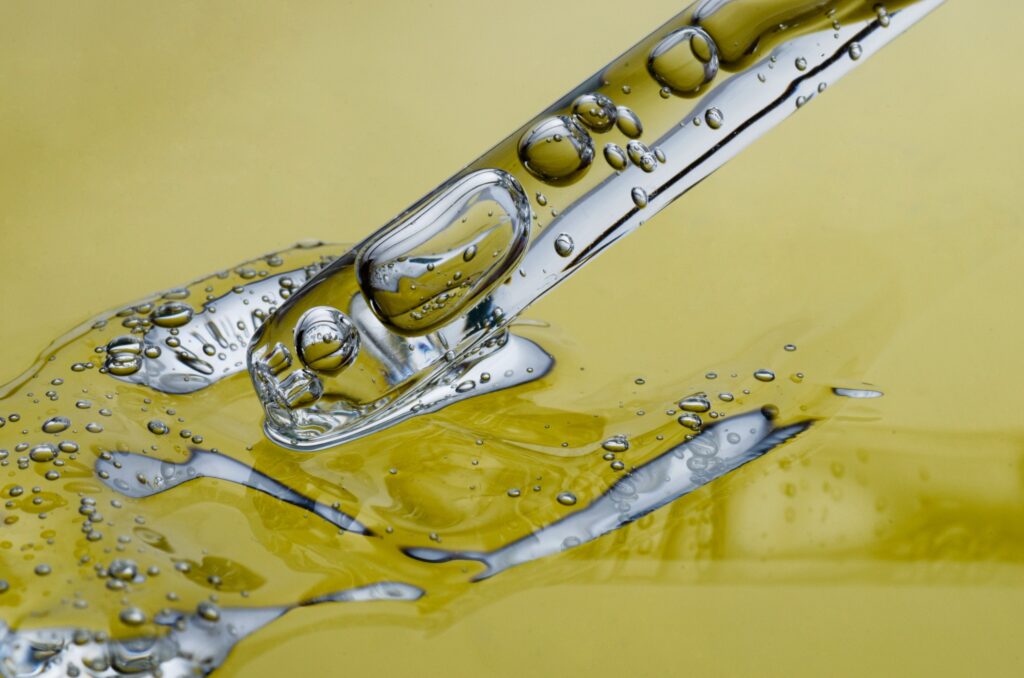
Taking decisive action early protects the vehicle and engine, ensuring that gelled diesel does not cause costly repairs. Proper preparation with heating methods, additives, and timely maintenance keeps fuel flowing and avoids damaged fuel system components, making winter operations much safer and more reliable.
Diesel Fuel Types: Do They Gel Differently?
Diesel fuel gels at different temperatures depending on its chemical composition and diesel type, and knowing the typical gel point helps prevent winter problems.
| Diesel Type | Typical Gel Point | Gelling Resistance | Winter Use Case |
|---|---|---|---|
| #1 Diesel | Below -40°F/-40°C | High | Extreme cold, blended |
| #2 Diesel | 10–15°F/-12°C–-9°C | Moderate | Common road vehicles, anti-gel additives |
| Off-Road Diesel | 10–15°F/-12°C–-9°C | Moderate | Farm, industrial, construction equipment |
| Ultra-Low Sulfur Diesel | 10–20°F/-12°C–-6°C | Slightly lower | Modern engines, winter treatment recommended |
Understanding when diesel fuel gels is essential for anyone operating trucks, buses, emergency vehicles, or machinery in winter conditions, as paraffin wax in the fuel can crystallize and block fuel lines. Different diesel types respond differently, so knowing the specifics helps improve performance and avoid engine issues. Common fuels include:
- #1 Diesel – Used in trucks, buses, and emergency vehicles, it is blended for high cold-weather resistance and ideal for extreme winter conditions.
- #2 Diesel – The standard fuel for most diesel cars and trucks, often blended or mixed with anti-gel additives to survive cold winters and maintain reliable flow.
- Off-Road Diesel – Powers agricultural machines, construction machines, and generators, formulated to maintain performance and energy output in cold environments.
- Ultra-Low Sulfur Diesel (ULSD) – Designed for machines with emission control systems, it gels slightly sooner than standard #2 diesel, requiring treatment in harsh winter conditions.
Diesel Cloud Point Explained: Why It’s Important
In cold winter, diesel fuel can reach a cloud point where wax crystals begin forming, typically between 20°F and 32°F, depending on the fuel type. As gelling progresses, these crystals can clog filters, restrict flow, and lead to weaker performance, hard starts, or other engine issues, making the diesel gelling temperature a crucial factor for keeping the fuel system and engine running smoothly.
Understanding this helps prevent the vehicle from stopping entirely and ensures uninterrupted operation of your car during harsh temperatures. Monitoring key indicators like cloud point, flow restriction, and performance impact, combined with preventive measures such as anti-gel additives and storing fuel in stable or heated environments, can maintain winter reliability and protect your engine from stoppages or costly repairs.